



Most drivers have seen a broken-down car getting loaded onto a flatbed or towed behind a truck. It’s a fairly straightforward process, hook it up, lift it, haul it away. But when a full-sized bus breaks down on the side of the road, that same approach doesn’t work. At all.
Buses aren’t just bigger cars. They’re built differently, they weigh exponentially more, and moving them requires equipment and expertise that standard towing companies simply don’t have. The difference between towing a sedan and recovering a commercial bus is roughly the same as the difference between moving a dining chair and relocating a grand piano. Sure, both involve moving something from point A to point B, but the process, tools, and skills needed are in completely different categories.
Weight Makes Everything More Complex
A typical passenger car weighs somewhere between 1,500 and 2,000 kilograms. Even larger SUVs rarely exceed 3,000 kilograms. Standard tow trucks are designed around these weight ranges, with equipment rated to handle vehicles up to a certain threshold.
Buses, on the other hand, start where regular towing capacity ends. A standard 12-meter transit bus weighs around 11,000 to 13,000 kilograms when empty. Add passengers, luggage, or fuel, and that number climbs significantly. Charter coaches can push even higher. This isn’t a minor difference, it’s an entirely different weight class that requires purpose-built recovery equipment.
The towing mechanisms used for cars just can’t handle this load. Wheel lifts and standard dollies aren’t rated for the weight. Flatbeds designed for passenger vehicles don’t have the capacity or length. Attempting to use regular towing equipment on a bus isn’t just ineffective; it’s dangerous. The equipment can fail, the bus can sustain damage, and the operator puts themselves and others at risk.
The Equipment Isn’t Interchangeable
When a car needs towing, the operator shows up with a truck that can handle most sedans, hatchbacks, and small SUVs. One truck, many potential jobs. Heavy vehicle recovery doesn’t work that way.
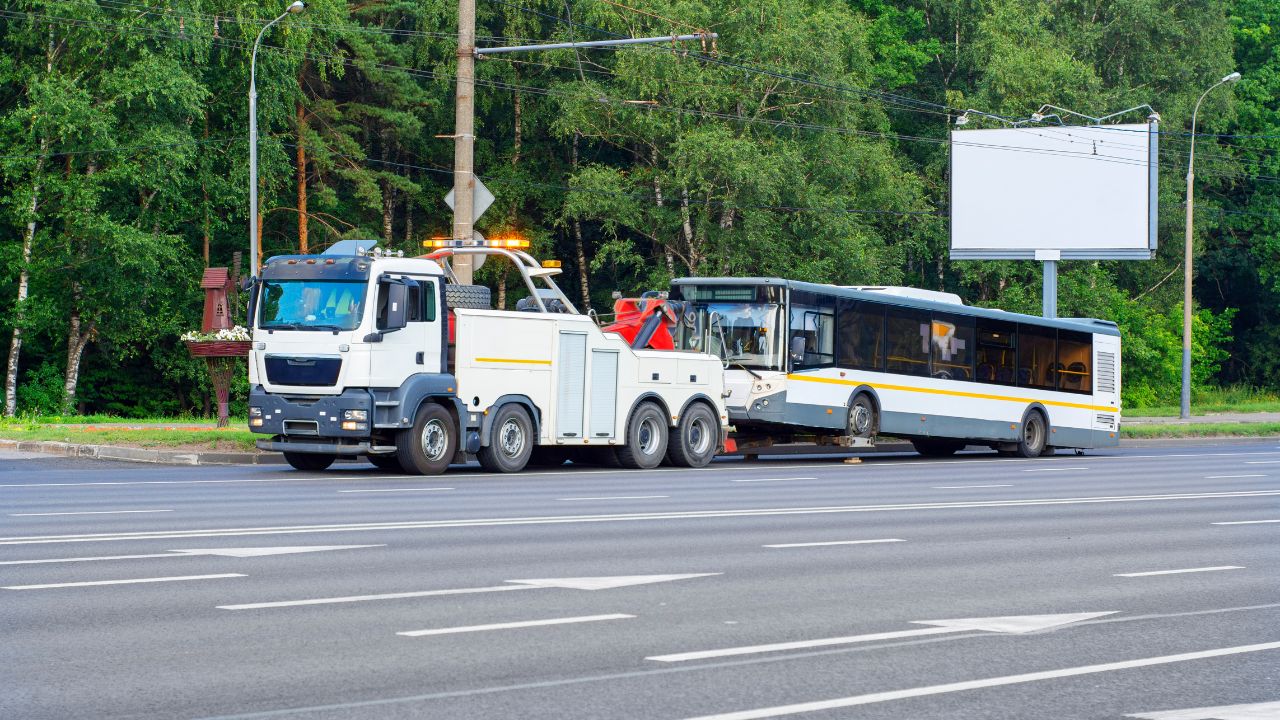
Moving a bus requires specialized heavy-duty recovery vehicles, often called rotators or heavy wreckers, that cost significantly more than standard tow trucks and require specific training to operate. These machines use hydraulic booms, winches rated for tens of thousands of kilograms, and underlifts designed to distribute weight properly. For situations where a bus needs to be moved but can’t be driven, professional bus towing services deploy equipment specifically engineered for commercial vehicle recovery, which goes well beyond what’s available through typical roadside assistance providers.
The physical hookup process is also different. Buses have different frame structures, attachment points, and clearance requirements. The operator needs to know exactly where to connect lifting equipment without damaging the vehicle’s undercarriage, transmission, or axles. Get it wrong, and the repair bill for the bus itself can exceed the cost of the tow.
Logistics Get Complicated Fast
Towing a car off the road takes maybe 15 to 30 minutes once the truck arrives. The vehicle gets secured, lifted or loaded, and off they go. Recovering a broken-down bus takes considerably longer and involves more moving parts, sometimes literally.
First, there’s the sheer size. A full-length bus takes up substantial road space, and if it’s blocking traffic or sitting in a dangerous position, that creates an immediate problem. Traffic management becomes part of the equation. In some cases, road closures or lane restrictions are necessary just to safely position recovery equipment.
Then there’s the question of passengers. If the bus was in service when it broke down, those people need to go somewhere. Unlike a car breakdown where you call a friend or arrange alternate transport for maybe one to four people, a bus can carry 40 or 50 passengers. Coordinating alternate transport, managing passenger safety while they wait, and dealing with schedule disruptions adds layers of complexity that don’t exist with personal vehicle towing.
The destination matters too. Cars usually go to a nearby repair shop or the owner’s home. Buses often need to be taken to specialized maintenance facilities equipped to work on commercial vehicles. These facilities aren’t as common, which can mean longer tow distances and more complicated route planning, especially if the bus is too tall for certain underpasses or too heavy for particular bridges.
Operator Expertise Makes the Difference
Anyone with the right license and a tow truck can move a broken-down sedan. Heavy vehicle recovery is a different skill set entirely.
Operators need training specific to commercial vehicle recovery. This includes understanding weight distribution, proper rigging techniques, how different bus types respond to being towed, and safety protocols for working around large vehicles in traffic. There’s also knowledge about bus-specific systems, air brakes, for instance, behave differently than hydraulic brakes when a vehicle is being towed.
Experience matters here more than with standard towing. A seasoned heavy vehicle operator knows how to assess a situation quickly, identify potential complications before they become problems, and adapt to unexpected challenges. They’ve dealt with buses stuck in awkward positions, damaged beyond normal recovery methods, or sitting in locations that make standard extraction impossible.
This expertise doesn’t come cheap, and it shouldn’t. The consequences of inexperienced handling are significant, damaged vehicles, traffic incidents, or injuries. When a bus breaks down, the right operator with proper equipment isn’t just convenient; it’s necessary.
The Cost Reflects the Reality
People sometimes experience sticker shock when they see quotes for bus towing compared to car towing. A standard car tow might run a few hundred dollars. Heavy vehicle recovery can easily reach into the thousands.
That price difference isn’t arbitrary. It reflects the specialized equipment, trained operators, longer recovery times, and increased liability involved in moving commercial vehicles. The equipment alone represents a massive capital investment that standard towing companies don’t make because they don’t service this market.
Insurance and regulatory requirements also drive costs up. Heavy vehicle recovery operators carry different insurance coverage, need specific permits, and operate under stricter safety regulations than standard towing services. All of this factors into pricing.
For fleet operators and bus companies, these costs are part of operational reality. Breakdowns happen, and when they do, proper recovery isn’t optional. The alternative—using inadequate equipment or inexperienced operators to save money, risks far more expensive damage and potential safety incidents.
What This Means for Bus Operators
Understanding these differences matters for anyone responsible for commercial vehicle fleets. When a bus breaks down, calling the first towing company in the phone book won’t solve the problem. The response needs to match the situation, heavy vehicle recovery specialists with appropriate equipment and experience.
Smart operators establish relationships with qualified recovery services before emergencies happen. They verify equipment capabilities, confirm coverage areas, and understand response times. This preparation makes breakdowns less chaotic and ensures help arrives ready to actually solve the problem rather than showing up and realizing they can’t handle the job.
Bus breakdowns aren’t frequent, but they’re inevitable. Treating them like car breakdowns, in terms of response, equipment, or cost expectations, creates problems that proper planning and the right recovery service prevent. The differences aren’t just technical details; they’re fundamental to getting a broken-down bus safely off the road and where it needs to go.