




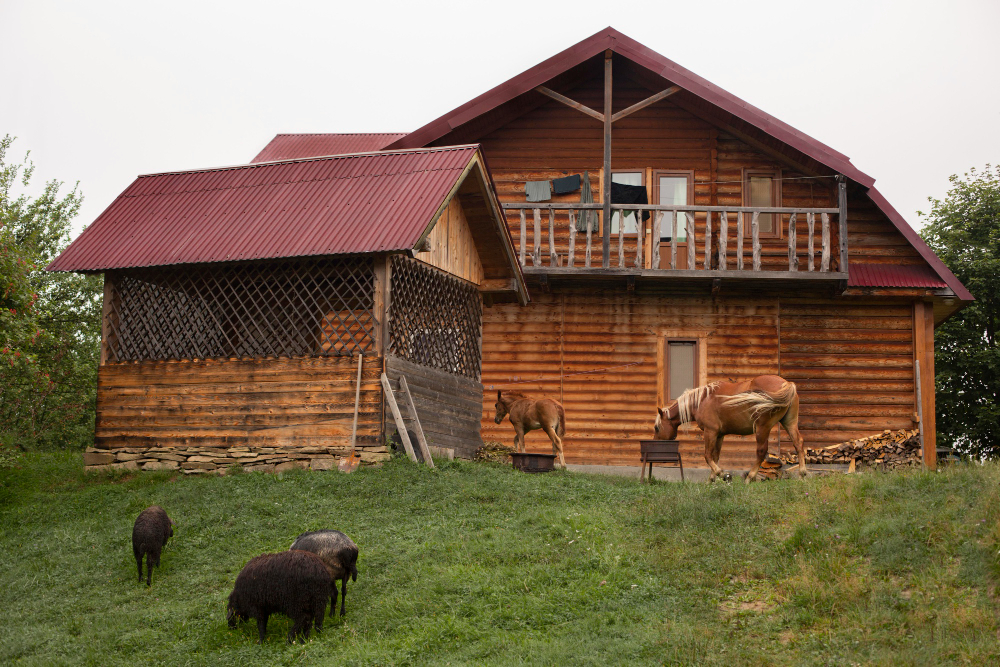
A well-built farm shed is more than just a storage space. It’s a long-term investment that protects machinery, livestock feed, tools, and sometimes even livelihoods. From harsh Australian sun and seasonal storms to daily wear from heavy equipment, farm sheds face constant challenges. Without proper maintenance, even the strongest structures can deteriorate faster than expected.
Having worked closely with rural property owners and agricultural infrastructure, one thing is clear: consistent, practical maintenance significantly extends the life of Farm Sheds and reduces costly repairs. Whether your structure is purpose-built or part of a larger setup from trusted Sheds Perth suppliers, ongoing care is what ensures it performs for decades, not just years.
Why Regular Farm Shed Maintenance Matters
Neglect is the most common reason sheds fail prematurely. Small issues often go unnoticed until they become expensive problems.
Key benefits of regular maintenance include:
- Extending the overall lifespan of the shed
- Preventing major, unexpected repair costs
- Protecting stored machinery, feed, and equipment
- Improving safety for workers and livestock
- Preserving property value and compliance
In Australia’s varied climate, proactive care is essential, particularly in regional and farming areas exposed to wind, rain, heat, or coastal conditions.
Understanding Common Causes of Shed Deterioration
Before carrying out maintenance, it’s important to understand what typically causes damage over time.
Environmental factors include:
- Constant UV exposure leading to fading and material fatigue
- Moisture causing rust, rot, or mould
- Wind stress loosening panels and fixings
- Dust and debris build-up
Structural and usage-related causes include:
- Impact from heavy machinery
- Overloading roof or wall sections
- Poor drainage around the base
- Lack of regular inspections
Understanding these risks allows you to prevent damage rather than react to it.
Routine Inspection Checklist for Farm Sheds
A structured inspection routine is the foundation of long-term shed care.
Monthly quick checks should include:
- Looking for loose bolts or screws
- Checking doors and rollers for smooth operation
- Inspecting gutters for blockages
- Ensuring there is no water pooling near the base
Quarterly inspections should focus on:
- Roof sheets for corrosion or damage
- Wall cladding for dents or gaps
- Steel frames or timber posts for wear
- Signs of pests or nesting
An annual professional review should assess:
- Overall structural integrity
- Load-bearing capacity
- Safety and compliance standards
Keeping a simple maintenance log helps track issues and supports insurance claims if required.
Maintaining Shed Roofing for Longevity
The roof is one of the most exposed parts of any farm shed and often the first area to show wear.
Best practice roof maintenance includes:
- Clearing leaves, branches, and debris regularly
- Tightening or replacing loose fasteners
- Treating small rust spots immediately
- Resealing joints and flashing where needed
Common roofing materials each have strengths and limitations. Steel roofing is durable but needs protection in corrosive environments, zinc-coated materials are cost-effective but offer fewer finish options, and polycarbonate allows natural light but can discolour over time. Choosing the right material and maintaining it properly makes a significant difference.
Protecting Structural Frames and Walls
The structural frame is the backbone of any shed, whether it’s steel or timber.
For steel frames:
- Inspect joints and connection points for rust
- Clean periodically with mild detergent and water
- Apply protective coatings where corrosion begins
For timber frames:
- Check for rot or termite activity
- Ensure treated timber remains sealed
- Keep soil, mulch, and vegetation away from posts
Wall cladding should be inspected for dents or gaps, with damaged sheets replaced promptly to prevent water ingress and internal damage. Adequate ventilation also helps reduce condensation inside the shed.
Managing Drainage and Ground Conditions
Poor drainage is one of the most damaging but overlooked issues for farm sheds.
Effective drainage practices include:
- Keeping gutters and downpipes clear
- Ensuring ground slopes away from the shed
- Installing gravel trenches or spoon drains
- Avoiding storage of wet materials inside
Good drainage protects foundations, reduces corrosion, and keeps the interior dry year-round.
Door, Roller, and Access Maintenance
Doors are among the most frequently used components and often suffer the most wear.
To keep doors operating safely and efficiently:
- Lubricate rollers, hinges, and tracks regularly
- Remove dirt and debris from door tracks
- Tighten mounting brackets as needed
- Replace worn seals to keep dust and pests out
Faulty doors reduce efficiency and can pose safety risks, particularly in busy working environments.
Pest and Vermin Control Strategies
Rodents, birds, and insects can cause significant long-term damage if left unchecked.
Preventative steps include:
- Sealing gaps and cracks promptly
- Installing bird deterrents where required
- Storing feed and grain in sealed containers
- Keeping the shed interior clean and organised
Early intervention prevents contamination, nesting, and structural damage.
Safety and Compliance Considerations
A well-maintained shed is also a safer shed.
Important safety practices include:
- Clearly marking walkways and storage zones
- Ensuring adequate lighting
- Checking fire extinguishers annually
- Maintaining clear access for emergency vehicles
Regular maintenance helps ensure compliance with workplace safety regulations, particularly on commercial farms.
Long-Term Maintenance Planning
Effective shed care is proactive rather than reactive.
A practical maintenance plan should:
- Schedule inspections in advance
- Allocate an annual maintenance budget
- Prioritise preventative tasks
- Use qualified trades for major repairs
This approach reduces downtime and unexpected costs during peak farming periods.
Frequently Asked Questions
How often should farm sheds be inspected?
A monthly visual check, quarterly detailed inspection, and an annual professional assessment is a practical guideline.
Can minor rust really cause major problems?
Yes. Rust spreads quickly if untreated and can compromise structural strength, especially in steel sheds.
Is professional maintenance necessary?
Routine tasks can be handled in-house, but structural assessments and major repairs should always be carried out by experienced professionals.
How can condensation be reduced inside a shed?
Improve ventilation, seal leaks, and avoid storing wet equipment. Insulation may also help in certain regions.
Are older sheds worth maintaining?
In most cases, yes. With consistent care and upgrades, older sheds can remain safe and functional for many years.
Final Thoughts
Maintaining Farm Sheds properly isn’t about perfection. It’s about consistency, awareness, and timely action. Regular inspections, small repairs, and preventative care make the difference between a shed that lasts 10 years and one that lasts 40.
If you haven’t checked your shed recently, start now. Address minor issues early and seek expert advice when needed. A well-maintained shed protects valuable assets every day, making maintenance one of the smartest long-term decisions you can make for your farm.