




Have you ever heard a weird clanking sound in your pipes and decided to “wait and see”? Maybe you crossed your fingers, hoping it would fix itself. In towns like Pompton Lakes, where winter can freeze more than just your driveway, ignoring minor home issues can lead to bigger—and costlier—headaches. Staying on top of repairs isn’t just about protecting your investment. It’s about protecting your peace of mind.
Why We Delay—and Why It Hurts
We’re living in a time where stress is practically baked into daily life. Between economic uncertainty, endless work notifications, and whatever the latest crisis is on the news, homeowners often feel too overwhelmed to deal with a flickering light or slow-draining sink. But ironically, putting off these “small” problems only multiplies the anxiety. A leaky faucet today could become a moldy cabinet next month. And then it’s no longer just a repair—it’s a project.
Delayed home maintenance has become a national trend. Studies from housing analysts show that many Americans are deferring repairs due to rising costs and busy schedules. But this decision often backfires. The longer you wait, the more you pay—and the more stressed you feel about it.
Small Fixes, Big Relief
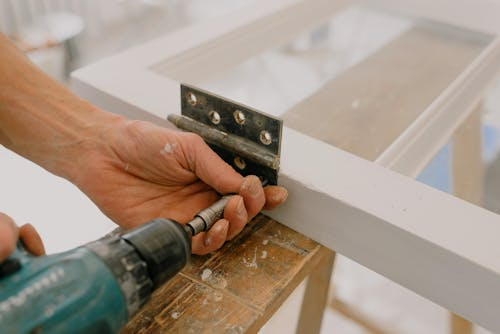
Let’s get real: not all repairs need to empty your wallet or hijack your weekend. Something as simple as sealing a window crack or tightening a wobbly banister can instantly improve your home’s feel—and your mental space. It’s about progress, not perfection.
Even your plumbing doesn’t need to be a mystery novel. In fact, homeowners in the area can rely on trusted professionals like Benjamin Franklin Plumbing® of Pompton Lakes, who offer scheduled service that doesn’t disrupt your week. Being proactive doesn’t mean you’re constantly repairing. It means you’re maintaining control, one task at a time. And when that task is done right, you get the satisfaction of checking it off and moving on without worry.
The Link Between Home Health and Mental Health
A cluttered, broken, or unpredictable home environment wears on your mood more than you might realize. Research shows that when your environment is in disrepair, your brain works harder just to focus. It’s like trying to concentrate while someone’s poking your shoulder every 30 seconds.
Repairing things doesn’t just make your house look better. It can make it feel better. When your surroundings are stable, your brain doesn’t have to keep “watching out” for something going wrong. It starts to relax. Your mind associates fixed things with safety—and in today’s uncertain world, that kind of mental reset is priceless.
Homeownership in the Age of Unpredictability
In a post-pandemic world, people are home more often and for longer periods. The shift to hybrid work has made our houses more central than ever. They’re not just where we eat and sleep—they’re where we take meetings, raise kids, and occasionally panic over rising heating bills.
This shift has made home upkeep even more essential. A home office with poor lighting or a noisy HVAC system doesn’t just make work harder; it adds stress you carry into the rest of your day. Being proactive helps avoid those low-grade frustrations that stack up and ruin your mood before lunch.
Financial Predictability Starts at Home
Most people hate surprise bills—especially ones with commas. Proactive repairs are a smart way to avoid financial spikes caused by emergency fixes. Replacing a worn-out water heater part may cost you a couple hundred dollars. Replacing the whole unit after a flood? That’ll sting a lot more.
Home warranties and regular inspections can soften the blow. By budgeting for small seasonal maintenance, you sidestep budget chaos. Think of it like car maintenance: oil changes are annoying, sure, but they beat being stuck on the side of the road with a smoking engine.
Relationships Benefit, Too
Household stress doesn’t stay neatly contained. When something breaks and stays broken, tension builds—especially if you live with other people. Whether it’s a partner upset about a drafty room or kids frustrated with a broken door handle, the emotional toll is real.
Being proactive about repairs helps limit these unnecessary flashpoints. When your home functions the way it should, people inside it tend to get along better. You’ll thank yourself during the next snowstorm when the heat’s working, the fridge is stocked, and no one’s arguing over whose turn it is to “call someone.”
It’s About Taking Control, Not Being Perfect
Let’s not confuse staying proactive with becoming obsessive. You don’t need to fix every tiny thing the moment it happens. The point is to act before issues grow unmanageable. It’s about making decisions from a place of calm, not crisis.
There’s also a confidence boost in handling home maintenance. Fixing something yourself, or having a trusted professional do it, gives you a sense of control. In a world that feels increasingly unpredictable, that’s no small thing. Your home is one of the few places where you can regain some authority over your day-to-day life.
Pro Tips for Staying Ahead
The easiest way to be proactive is to create a simple seasonal checklist. Walk through your house at the start of each season and note anything that looks off—peeling paint, loose wiring, or weird sounds behind the walls. If it doesn’t look, feel, or sound right, it’s probably not.
Schedule one weekend a month for basic maintenance tasks, or set reminders in your phone to inspect certain areas (like gutters or caulking). For bigger jobs, get estimates before there’s an emergency. That way, you know what to expect and who to call. The less you leave to chance, the more peace you’ll have when something inevitably comes up.
A house will always need something. That’s the nature of homeownership. But when you stay ahead of the issues, they lose their power to ruin your day—or your wallet. In a time when everything seems just a little more complicated, keeping your home in working order is a simple way to reduce chaos and boost your overall well-being. And in this economy, who couldn’t use a little less stress?