




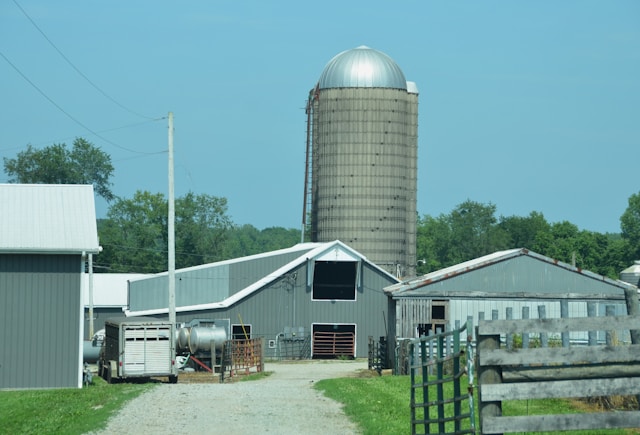
Thinking about going from hobby farm to full-time farmer?
You’re not alone. Record numbers of entrepreneurs are leaving their cubicle jobs to pursue something they’re passionate about. Small scale farming is one of the most popular industries to break into.
But here’s the thing.
Growing your farm business takes planning. It takes investing in the right equipment. And most importantly, it takes a game plan to prevent costly mistakes.
Luckily for you…
We’re going to walk you through everything you need to know to make that transition seamless. When to go full-time. What equipment to invest in to scale properly…
You name it. We’ll cover it below.
Table of Contents
- Signs Your Farm Is Ready To Go Full-Time
- Build Your Equipment Foundation
- Scale Your Operation
- Create A Farm Business Plan You Can Stick To
Signs Your Farm Is Ready To Go Full-Time
It’s important to note that not every side hustle should be turned into a full-time business.
So how do you know when your farm is ready to take the leap? Here are a few key indicators that mean it’s time:
You have consistent revenue.
Is your farm making you money? Are sales increasing each month?
According to USDA data, small family farms make up 86% of America’s 2.1 million farms. Most small farm businesses don’t start off on a large scale. They grow into profitable enterprises over time.
You should be doing the same.
You’re mentally checking out of your day job.
If you spend 40+ hours per week working someplace other than your farm… and you come home to farm every weekend… burnout is inevitable. When you constantly feel physically and mentally drained, something’s gotta give.
And if your farm business is bringing in profit?
It should be obvious what you need to do.
Build Your Equipment Foundation
This is the part where most new farmers go wrong.
They either overspend on equipment way too early. Or they don’t buy the right attachments to scale when the time comes.
Don’t fall for either trap.
Transitioning from hobby farm to your full-time business means investing in versatile equipment. Tractors and attachments are the most important things to get right.
Versatile tractor attachments like those from Kubota allow you to mow, till, haul, and load with just one tractor.
Before you spend money on new equipment, consider these Kubota attachments to see which ones fit your operation. You’ll save yourself thousands by choosing wisely here.
One tractor with five attachments is always better than five different pieces of equipment. You save money upfront. You save on maintenance costs. You save on storage space.
Investing in versatility will save you money in the long run.
Scale Your Operation
Scaling your farm business doesn’t have to break the bank.
In fact, growing your operation slowly with smart equipment purchases is the best way to go. That’s why we harp so much on having compact tractors with quality attachments.
Let’s break down how to scale your operation the right way:
- Invest in the basics. Front-end loader, box blade, and rotary tiller are your bread and butter attachments. These three cover 80% of day-to-day farming duties. Spend the extra cash on equipment if you have to. But these are must-haves.
- Don’t buy tools you don’t need. Post hole diggers, grapples, mower decks. Wait to purchase niche attachments until your operation grows to a point where you need them.
- Buy once, cry once. Equipment doesn’t need to break the bank. But buying cheap means it’ll fall apart quicker. Spend a little more money on attachments that will last decades.
When building your equipment foundation, purchase things that will scale with your operation. Not things that will go unused because you bought too soon.
Create A Farm Business Plan
If you’re reading this…
And you don’t have a solid farm business plan.
You’re doing it wrong.
Transitioning from hobby farm to full-time isn’t something to be taken lightly. When you go all in, you should plan like you would any other business.
Every. Single. Time.
Your farm business plan should include projected:
- Revenue streams (Livestock? Produce? Agritourism? Or all three?)
- Operating costs (Equipment upkeep, feed, seeds, fuel, payroll, etc.)
- Growth milestones (When will you hire help? Buy more land? Add another revenue stream?)
Having a plan holds you accountable. Don’t start a farm business without one.
Oh, and one more thing.
According to Gusto, 44% of small business owners ran their venture alongside full-time employment in 2023. That’s a jump from 27% in 2022.
What does that tell us?
Quitting your day job too early is the quickest way to fail. Focus on growing your farms foundation first. Then jump when the time is right.
Make The Equipment Decision
Deciding which equipment to invest in is likely the biggest decision you’ll make as a farmer.
Choose wrong and you’ll be stuck with equipment that doesn’t suit your needs. Choose right and every day task will become faster, more efficient, and more profitable.
Here are a few things to consider when choosing tractor attachments:
- What farming tasks take up the most time?
- What do you currently outsource to other businesses?
- Could new attachments open any new revenue streams?
For the majority of small to medium size farms, compact tractors with interchangeable attachments are the best option. They offer enough grunt to get real work done. But are small enough to maneuver through tight spaces.
Plus the ability to swap attachments based on the job at hand is priceless.
One tractor, boom attachment. Another job? Swap out the boom for a brush cutter. Done hauling? Load on that tiller and get planting.
Time For A Reality Check
Let’s get down to brass tacks for a minute.
If you go from working a regular job to full-time farmer. Your farm business needs to replace your previous income. Then some.
Why “some”?
Running a farm still incurs business expenses. Things will come up. You’ll need to allocate money for those situations.
Make sure your farm business can support these expenses before taking the jump:
- Monthly personal expenses (mortgage, utilities, groceries, insurances)
- Monthly operating expenses (farm-specific costs)
- Emergency fund (ideally 6+ months of expenses)
- Equipment maintenance/replacements
Your farm should be able to cover all of your expenses. With room to spare.
If it can, you’ve got your green light.
If not… Continue tuning your farm. Save money where you can. And work towards that goal until the numbers add up.
Wrap Up
Growing your hobby farm into a full-time business is an amazing feeling.
But don’t rush the process. Spend time building a versatile equipment foundation. And make sure your farm actually needs to be full-time before quitting your day job.
Here’s your checklist one more time:
- Consistent revenue + growing demand = go full time
- Invest in equipment that can grow with your farm business
- Have a legit business plan with key growth metrics
- Don’t go full-time until the numbers add up
It won’t happen overnight. But with patience and planning, you can easily go from weekend farmer to farming as a profession.
You’ve got this.