



Home exteriors face constant stress from rain, wind, sun, and sudden temperature changes. When siding fails, moisture can reach sheathing and studs, then lead to stains and decay. Durable cladding helps protect structure, comfort, and long-term home value.
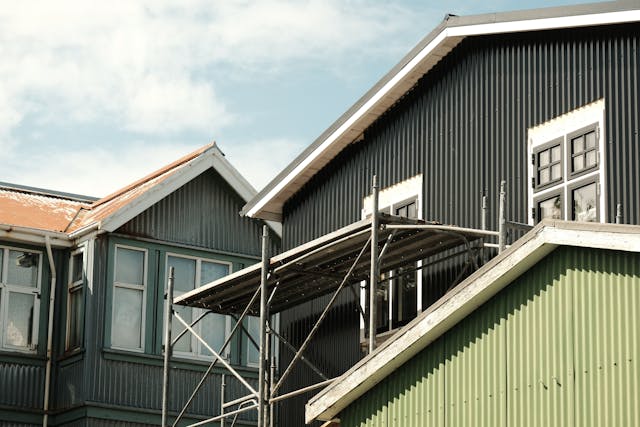
Material choice matters because weather resistance depends on coatings, seams, and proper attachment details. Metal siding on homes delivers strong performance through tough finishes and secure panel profiles. The sections below explain the features that help metal siding handle harsh conditions with confidence.
Strong Wind Resistance and Secure Panel Profiles
Metal panels resist uplift because they use interlocking edges and solid fastening patterns. Many profiles lock tightly, which helps prevent rattling and edge lift during gusts. Proper trim pieces at corners and eaves also reduce points where wind can pry materials loose.
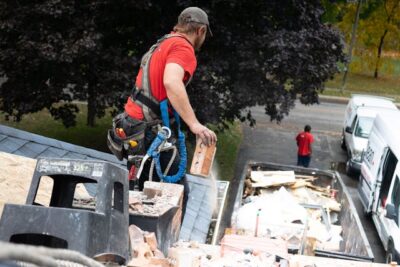
Professional installation ensures correct fastener spacing, straight panel alignment, and secure locking seams across long runs. A trained crew verifies substrate condition, sets starter channels, and maintains proper clearances at edges. This workmanship helps the siding stay tight and stable through repeated storm cycles.
Water-Shedding Design for Rain and Melt
Interlocks and Overlaps That Block Water
Most metal siding systems use overlaps that direct water downward and away from the wall. Interlocking seams reduce gaps where wind-driven rain can push behind panels. These features help protect house wrap and keep wall cavities drier after long storms.
Flashing Details at Openings
Water control depends on flashing at windows, doors, and roof-to-wall intersections. Correct head flashing and sill pans direct water out before it reaches the sheathing. A skilled installer also seals trim transitions to reduce leaks at corners and penetrations.
Durable Coatings for Sun and Corrosion
Metal siding uses factory finishes that resist fading and chalking under strong sunlight. Protective coatings also help limit corrosion, especially near coastal air and heavy humidity. With proper care, the color stays consistent, and surfaces stay easier to clean.
Choose finishes rated for UV exposure and salt resistance if your region has harsh conditions. Higher-grade coatings can add cost, yet they support longer service and a cleaner appearance. Ask for warranty terms that cover fade and finish performance across years.
Impact Resistance and Surface Strength
Hail and Debris Protection
Metal siding can handle debris impact better than many thin claddings when it has a solid gauge thickness. Hail dents may occur, yet coatings help prevent cracking and surface failures. A contractor can recommend profiles and gauges that fit local storm risk.
Pest and Rot Resistance
Metal does not rot and does not attract termites, which protects wall assemblies over time. This advantage matters where moisture and insects damage wood-based materials near soil lines. It also supports cleaner corners and trim areas that stay firm and straight.
Fire-Smart Properties and Low Maintenance Value
Metal is noncombustible, which can support fire resistance near grills, fire pits, and dry conditions. That benefit can add peace of mind in areas with wildfire risk or high heat exposure. For many households, fewer exterior worries support a steadier maintenance routine.
If you want long-term performance, ask how metal siding on homes pairs with quality wrap and vent details. A proper system reduces repaint work and limits repairs tied to warping or swelling. Simple cleaning and periodic checks help keep seams tight and trim sealed.
Metal siding stands out because it resists wind, sheds water, and holds up under sun and storms. The best results come from quality coatings, proper flashings, and skilled installation details at seams. With the right system, your home gains stronger protection and a clean exterior for years.