



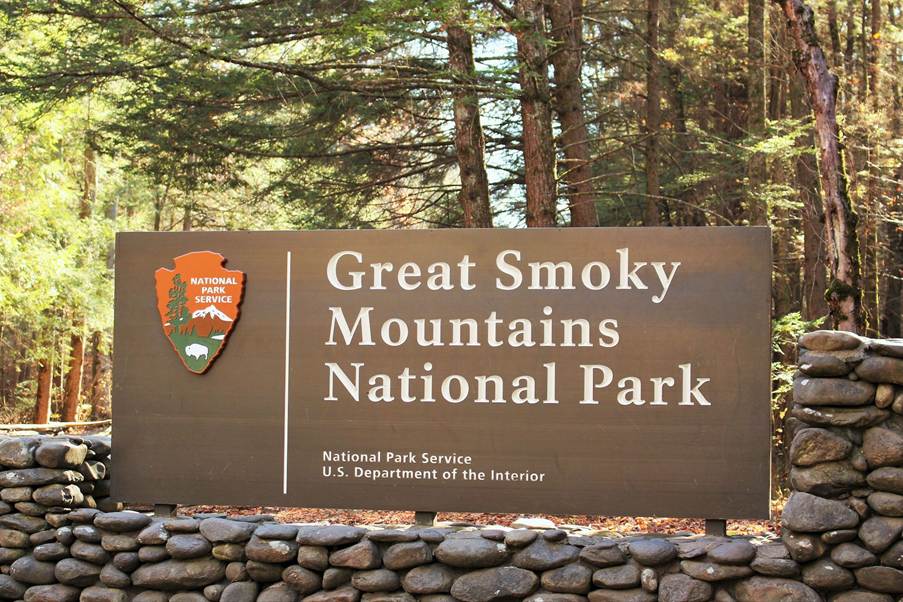
Have you ever planned a vacation that somehow felt more stressful than staying home? You imagine hammocks and happy hour, but end up buried in logistics, group chats, and a dozen open browser tabs. Planning a trip sounds fun in theory—until it starts feeling like a second job. That’s especially true in places like the Great Smoky Mountains National Park, where the sheer number of trails, attractions, and lodging options can turn a relaxing escape into a logistical puzzle. It’s one of the most visited parks in the country for a reason, but if you’re not careful, the pressure to “do it all” can make your trip feel more exhausting than restful.
In this blog, we will share how to plan a trip that doesn’t feel like work by adjusting your mindset, simplifying your schedule, and prioritizing what actually matters once you’re on the road.
Let Go of the Full Itinerary Fantasy
There’s a certain thrill in building a minute-by-minute travel plan. Everything is optimized. Each hour accounted for. In theory, that structure means you’ll waste less time. In reality? It becomes a trap.
Delays happen. Lines stretch longer. You get tired. You stumble on something unexpectedly beautiful and don’t want to leave in 20 minutes just because your itinerary says you have to. That’s where stress creeps in.
Leave space. Intentionally unschedule an afternoon. Let curiosity guide you for a while. Walk aimlessly. Sit with a coffee. Talk to locals. Some of the best travel stories don’t start with “We were right on time.” They start with “We weren’t planning to, but…”
Pick the Right Pace and the Right Place
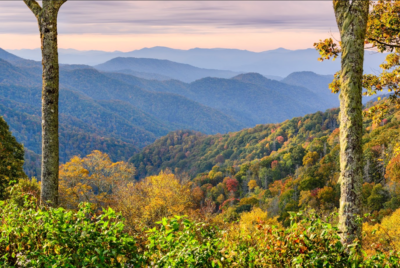
Where you go matters. So does how it feels once you get there. For travelers who want ease and fresh air in one shot, camping in the Smoky Mountains is one of the smartest decisions you can make. Why? Because the Smokies offer the rare combination of natural beauty, accessibility, and low-pressure exploration.
You can hike, fish, bike, or do absolutely nothing beside a quiet stream. But where you stay sets the tone. Greenbrier Campground is the best option logically. It offers full-hookup RV and tent sites, plus cabins for those who don’t want to “rough it.” The Little Pigeon River wraps around the grounds. There’s even a swimming hole. You’re close enough to Gatlinburg for a spontaneous dinner out, but far enough to forget what time it is.
This is the kind of setting that lets a trip breathe. You don’t need to sprint through it. You just need to be in it.
Design for Energy, Not Just Efficiency
Many trip planners confuse time with energy. They think, “If we’re already near this museum, we should squeeze in lunch and the market and the lookout point too.” What they don’t consider is how drained they’ll feel by 3 p.m.
Smart travel isn’t about doing the most. It’s about matching activities to energy levels. Plan your biggest adventures when you’re fresh—usually mornings. Use the mid-afternoon slump for quiet recharging: a nap, a scenic drive, a low-stakes stroll.
You’ll remember how you felt more than how much you fit in. If you’re exhausted, even the best view feels flat. Travel that respects your energy leaves room for joy to actually land.
Not Everyone Travels the Same Way
Whether you’re solo, with a partner, or in a group, mismatched expectations are where tension brews. One person wants sunrise hikes. Another wants to sleep in. One wants to eat every meal out. Another brought snacks and a tight budget. Someone might even deal with travel sickness and need slower mornings or breaks that others don’t.
Talk about that before you go. Better yet, design options in. Plan to split up some days. Give everyone one non-negotiable and agree to compromise on the rest. If you’re the planner, don’t take on the burden of everyone’s happiness. Instead, ask what people want and let them participate in shaping the trip.
Travel shouldn’t feel like performance. It should feel like choice.
Let the Small Stuff Stay Small
Things will go wrong. You’ll miss a turn. A reservation might get lost. Someone will leave sunglasses in the rental car. It happens.
But how you react decides the trip’s tone. If every mistake becomes a big deal, you’ll spend more time problem-solving than enjoying. If you treat small issues like exactly that—small—you’ll protect the good parts from being swallowed up.
Build in margin. Have backups if something matters. But most of all, laugh when you can. Travel throws curveballs. But so does regular life. At least on a trip, you have a better view.
Savor, Don’t Collect
Instagram made us all amateur travel agents. But chasing perfect photos and checklists turns trips into tasks. If you’re measuring success by how many things you did or how many likes you got, you’re not really in the moment.
Try this instead: pick one thing per day to savor. A view. A taste. A laugh. A new sound. Let yourself sit in it a little longer than usual. That memory will outlast a post. And it will remind you why you left home in the first place.
The Best Trips Feel Like Life, Just With More Sunsets
At its best, travel doesn’t whisk you away from life. It reminds you what parts of life you’ve been missing. Slower mornings. Longer conversations. Walks with no destination.
That’s what happens when you stop treating trips like projects and start treating them like experiences. Yes, logistics matter. But joy doesn’t live in the logistics. It lives in the breathing room you give yourself to feel something.
A trip that doesn’t feel like work is one you don’t need a vacation to recover from. It doesn’t mean doing less. It means choosing better. Planning less rigidly. And remembering that you’re not there to prove something. You’re there to live it.
And if that means skipping one museum to sit by a river for an hour, then you’re doing it right.