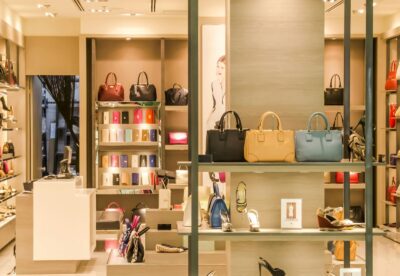




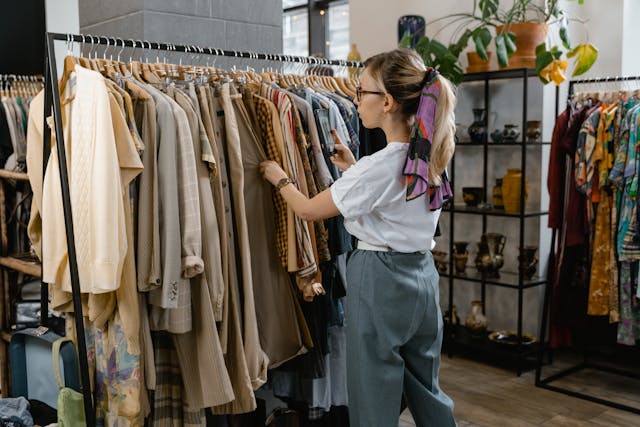
There’s been a shift among the ways that people shop for clothing in recent history. Gone are the days where one simply visited their local department store, shuffled through the racks and came away with something decent but subpar. Yet more and more shoppers are choosing to skip this experience, not just in favor of shopping online, but instead, shopping at curated online clothing stores that seem to be more intentional and have better selection.
But why? Shopping online to purchase clothing has been around for years, yet something in today’s world seems to be shifting toward more select, intentionally compiled places instead of major retail stores boasting tens of thousands of listings.
Too Much Choice is a Bad Thing
For one, this suggests that more choice is not necessarily a better thing. In fact, the exhaustive catalogs of products at big retail stores have become tiresome. Hours spent searching for an appropriate item compile more filtering, scrolling and second guessing than an end decision a person feels good about. This is known as The Paradox of Choice and it’s an overwhelming reality when it comes to fashion.
Therefore, when someone has taken the time to curate select pieces from designer collections to put online at specific stores, that means they’ve done the legwork. They understand what works, what fits well, what lasts and what looks just as good in person as it does in a picture. Shopping at a smaller store like 31 Tabs is a perfect opportunity to see how this specificity works; rather than cluttering shopping with an exhaustive collection, boundaries help guide choices.
It breeds trust through transparency. If everything seems so intentional at a given storefront, it’s less likely that what someone purchases is going to prove challenging.
It’s a Quality Versus Quantity Mindset
Secondly, there’s been more intentional revision into how many people want to spend with clothing means that the cheap, fast fashion appeal has soured for a majority of a portion not only because it’s understandably bad for the environment, but because enough purchases have disappointed their buyers.
After cheap t-shirts fall apart after three washes or jeans lose their shape within a week of purchasing, it’s easy to assume that no one wants to buy throwaway clothing anymore. Curated clothing stores have a more discerning decision for their selections. They’re not looking to have every possible trend for the cheapest amount; instead, they boast styles that justify the price.
People are more deliberate in what they want nowadays, and this trend reflects that thinking as it almost justifiably connects curated clothing stores to this possibility.
The Personal Touch of Smaller Selection
Finally, one thing that is often overlooked, and perhaps an impractical impulse, is that a good-looking curated storefront feels personal in a way that a cheap mega-brand cannot achieve. If someone can masterfully create their own aesthetic or viewpoint over a storefront atmosphere, if it resonates with buyers on an emotional level, it stands to reason that intentionality brought someone there in the first place.
This notion matters because people are less likely to return if a store fails to match their brand; however, if the brand boasts depth and critical thought behind its presentation, it’s easy to trust subsequent additions and new arrivals. Major retailers trying to appeal to everyone and their mother lack this talent.
Not only this, but smaller curated storefronts communicate better. From product descriptions to photography to well-thought out articles about who could wear such styles, it becomes easier for shoppers not to have buyer’s remorse because the information provided often cuts out the confusion so many people face when shopping online for clothing.
Returns Still Exist but Confidence Helps Mitigate Them
Buying clothing online also fails when things come in and don’t fit or work as anticipated no matter how good the photography was on the front end, yet curated storefronts tend to win here as well simply because the range is tighter and better described.
Curated storefronts hold fewer items, but they know those items well enough to provide shoppers with useful guidance; more accurate fit notes, better recommendations on sizing and better customer service suggests that people will not be as disappointed by what arrives. While returns still exist, they have to, but the educated guess no longer feels like a gamble.
The Future of Clothing Shopping Depends on Curated Stores
There has been momentum brewing behind curated online storefronts, it’s not just a phase; it’s a realistic development based on how good people want to feel about what they purchase as opposed to settling.
People want to feel good about what they buy not just during the transaction but weeks down the road when something still looks good, even good enough to still be worn time and again. Curation proves somebody thought long and hard about what’s worth attention with monetary value behind it.
In a day and age where attention spans are limited and all over the place, there’s something invaluable about focus, and those who can draw it in, and parse it down, earn loyalty now, and it doesn’t look like it’s going away anytime soon.