




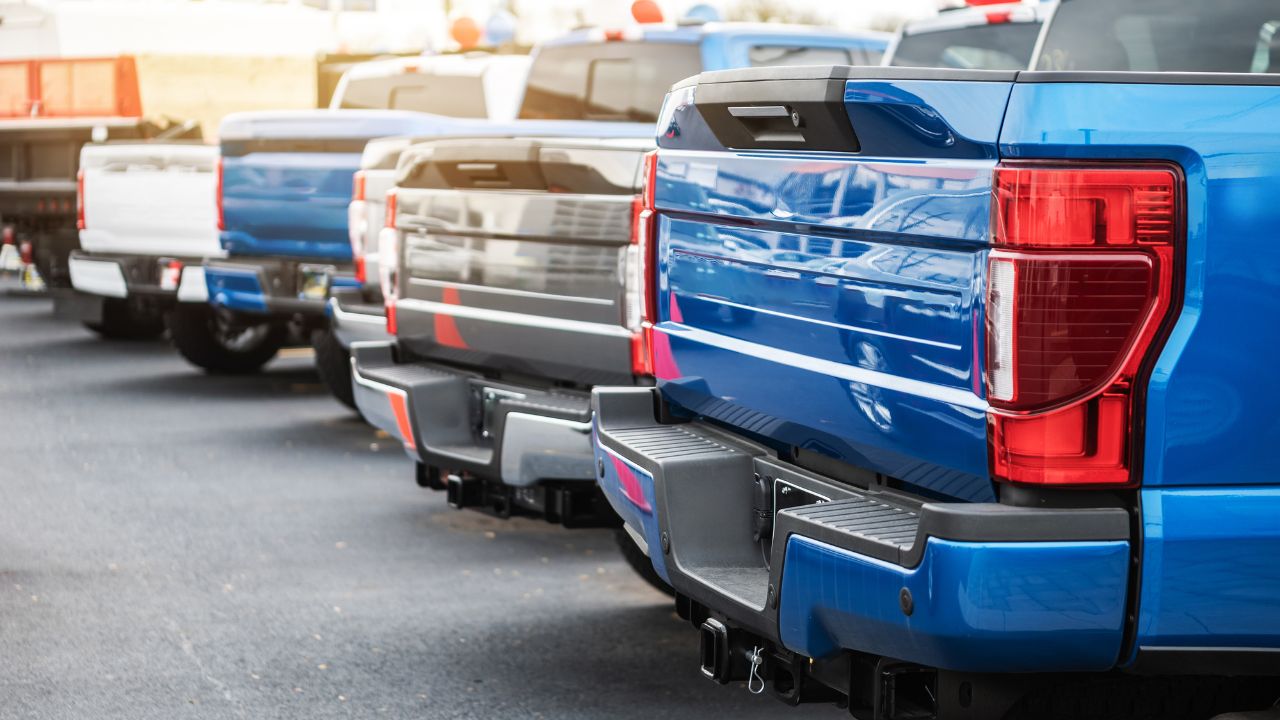
The automotive market has undergone a noticeable shift in recent years. While new vehicles still attract attention, the demand for pre-owned cars has grown steadily as more consumers reconsider how they approach major purchases. This change reflects broader trends in consumer behavior, including a greater focus on value, sustainability, and practical decision-making.
The rise of pre-owned vehicles reveals a lot about how drivers are thinking differently about ownership, finances, and long-term value. Looking at this trend offers useful insight into how modern consumer habits are evolving.
A Growing Focus on Value and Financial Efficiency
One of the most significant factors driving interest in pre-owned vehicles is value. Many consumers are increasingly aware that new cars lose value quickly during the first few years of ownership. By purchasing a vehicle that has already gone through this early depreciation period, buyers often gain access to similar performance and features at a lower price.
This value-conscious mindset reflects a broader consumer trend. Shoppers across many industries are prioritizing smart spending and long-term financial planning. Instead of focusing purely on brand-new products, many consumers now look for options that offer quality without unnecessary cost. Pre-owned vehicles align well with this approach because they allow buyers to balance affordability with reliability.
Greater Awareness of Sustainability
Environmental awareness has also played a role in the growing popularity of used cars. Consumers are becoming more conscious of the environmental impact associated with manufacturing new products, including vehicles.
Producing a new car requires large amounts of energy and raw materials. By choosing a pre-owned vehicle, buyers extend the life of an existing product rather than increasing demand for new manufacturing. This helps reduce resource consumption and waste.
Many consumers now view purchasing used items, including vehicles, as part of a more sustainable lifestyle that prioritizes responsible use of existing resources.
Improved Quality and Longevity of Modern Vehicles
Another reason pre-owned vehicles are gaining popularity is the improved durability of modern cars. Advances in engineering and manufacturing mean that many vehicles are capable of lasting well beyond 150,000 miles when properly maintained.
Because vehicles now have longer lifespans, buying used no longer carries the same concerns it once did. Buyers can find relatively recent models that still offer strong performance, modern safety features, and advanced technology. This improved reliability has made the used car market more attractive to a wider range of drivers.
Changing Attitudes Toward Ownership
Consumer attitudes toward ownership are evolving in many industries. Instead of viewing brand-new items as the only desirable option, many people now prioritize practicality and functionality. This shift is particularly noticeable among younger buyers, who often value flexibility and financial stability over the prestige associated with owning new products.
Pre-owned vehicles support this mindset by offering dependable transportation without the higher financial commitment of a new car purchase. As a result, buyers can allocate resources to other priorities such as housing, travel, or savings.
Expanding Digital Car Shopping Experiences
Technology has also played a role in changing how consumers approach vehicle purchases. Online vehicle listings, digital comparison tools, and detailed vehicle history reports have made it easier than ever to research used cars.
Buyers can now evaluate vehicle options, compare prices, and explore features from the comfort of their homes. This transparency has increased confidence in the pre-owned market and allowed consumers to make more informed decisions.
For drivers searching for used vehicles Orlando, browsing inventory through City Kia can provide access to a wide range of options that fit different budgets and lifestyle needs.
Flexibility for Changing Lifestyles
Another factor behind the rise of pre-owned vehicles is the need for flexibility. Life circumstances change frequently, and many drivers prefer transportation solutions that allow them to adapt without making large long-term commitments.
Buying used can provide the freedom to change vehicles more easily as needs evolve. Families may upgrade to larger vehicles, commuters may seek more fuel-efficient options, and drivers may explore different vehicle types over time. This flexibility fits well with modern lifestyles that prioritize adaptability and practicality.
The Influence of a More Informed Consumer
Today’s consumers are also more informed than ever. Access to reviews, reliability ratings, and ownership cost data allows buyers to make well-researched decisions. Because of this increased access to information, many drivers realize that a carefully selected pre-owned vehicle can deliver excellent performance and reliability without the higher cost of buying new. This knowledge has helped reduce stigma around used cars and encouraged more people to explore the pre-owned market.
What This Trend Means for the Future
The rising demand for pre-owned vehicles highlights a broader shift in how consumers approach major purchases. Value, sustainability, transparency, and flexibility are becoming central factors in decision-making.
Rather than focusing solely on owning the newest product available, many drivers are prioritizing smart choices that balance cost, practicality, and environmental awareness.
As vehicle technology continues to improve and consumer habits continue to evolve, pre-owned cars will likely remain an important part of the automotive market. Their growing popularity reflects a more thoughtful and informed approach to transportation that aligns with the priorities of modern consumers.