




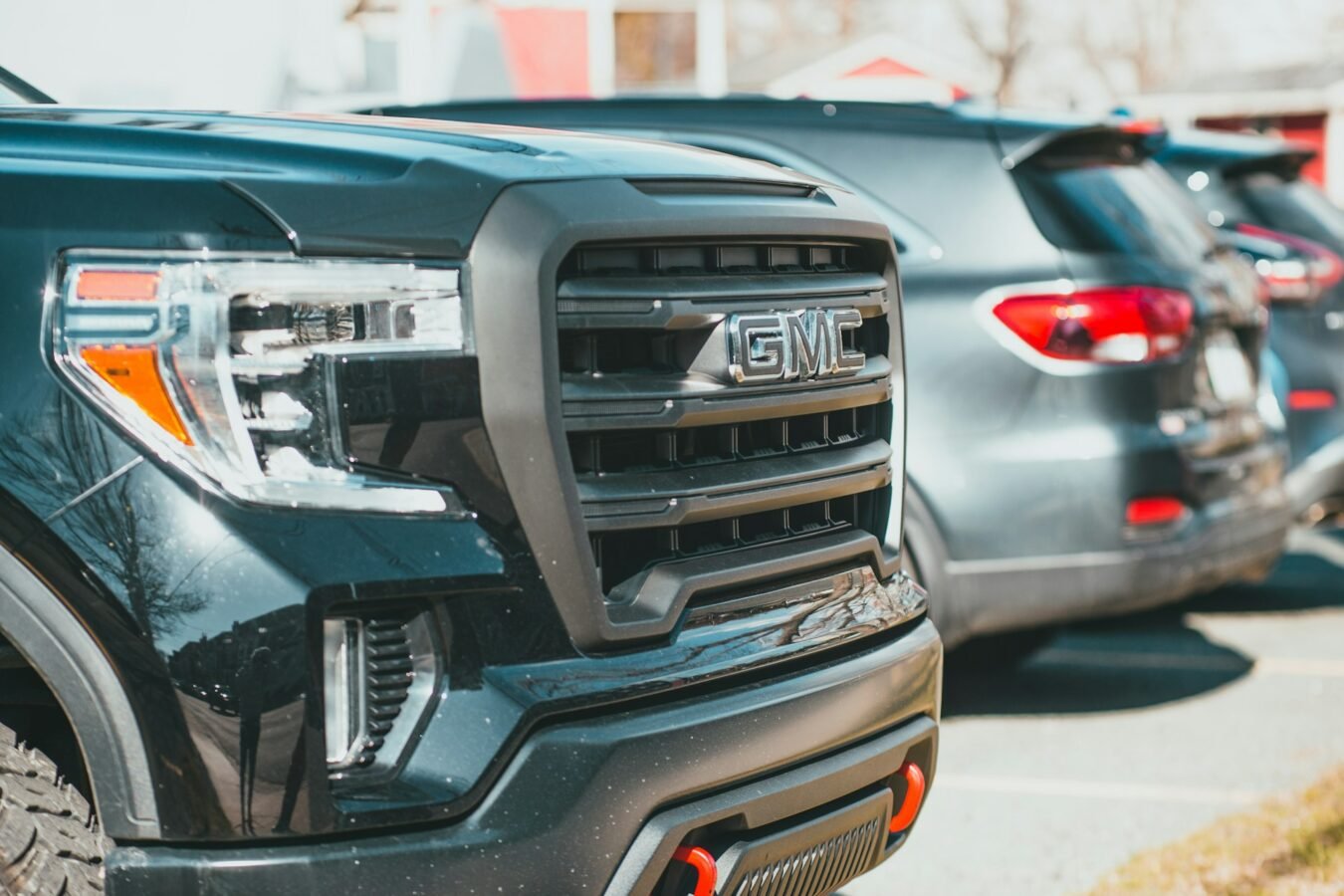
A business fleet affects far more than transportation. Vehicle reliability shapes delivery schedules, employee productivity, customer service and operating costs. A poor fit can leave crews without enough cargo space or force the company to pay for capacity it rarely uses. Smart fleet planning starts with a clear picture of daily work, followed by an honest review of every expense tied to each vehicle.
The Role of Vehicles in Business
Company vehicles can serve as mobile workspaces, delivery units and visible extensions of a brand. A service technician may need organized storage and easy access to equipment, while a sales representative benefits from comfort and fuel efficiency during long drives. Reliable transportation also helps employees arrive on schedule and limits disruptions for customers.
Fleet decisions should reflect how vehicles support revenue. Track the number of jobs, deliveries or client visits each unit handles during a typical week. This information can expose underused vehicles, scheduling problems and gaps in capacity. It also gives you a practical baseline for deciding when the business needs another vehicle.
Calculating Total Cost of Ownership
Purchase price provides only a partial view of fleet spending. A proper total cost of ownership calculation includes financing charges, insurance, registration, fuel, maintenance, repairs and depreciation. Resale value also matters because it reduces the net cost once a vehicle leaves the fleet.
Compare projected costs over a consistent period, such as five years or 100,000 miles. For example, one model might cost $4,000 more upfront but use less fuel and retain several thousand dollars more in value. Estimate costs using realistic annual mileage and local service prices. This method creates a fair comparison and prevents a low sticker price from hiding higher long-term expenses.
Matching Vehicles to Business Needs
Start with actual operating demands, including passenger count, cargo dimensions, road conditions and daily mileage. Businesses that move trailers or heavy equipment should verify rated capacity before selecting a model. Resources that answer, “What is the towing capacity of the GMC Sierra?” can help buyers compare configurations against their working requirements. Choosing the right car also involves comparing vehicle features, fuel efficiency and running costs against practical needs.
Specifications still need context. A vehicle operating near its maximum rating every day may face greater wear, so leave a reasonable capacity margin. Ask employees what they carry and where current vehicles create delays. Standardizing a few suitable configurations can simplify driver training, maintenance scheduling and replacement-part purchasing across the fleet.
Financing Options for Business Fleets
Cash purchases avoid interest and leave the business with an asset, but they can consume funds needed for payroll, inventory or expansion. Traditional financing spreads the purchase cost across predictable payments and leads to ownership. Leasing may offer lower monthly payments and regular access to newer vehicles, though mileage limits and end-of-term charges require careful review.
Compare proposals using the total amount paid, term length, interest rate and expected value at the end of the agreement. Check for early payoff conditions and acquisition fees as well. The best structure fits the company’s cash flow cycle without placing pressure on working capital during slower months.
Maximizing Vehicle Longevity
Preventive maintenance keeps vehicles available and makes operating costs easier to forecast. Follow the manufacturer’s service schedule, then adjust it for demanding conditions such as frequent idling, short trips or heavy loads. Drivers should report warning lights, unusual noises and tire damage promptly so small issues don’t become expensive breakdowns.
Keep digital records for inspections, repairs, mileage and downtime. Even well-maintained units eventually reach a point where rising repair bills and lost productivity outweigh the cost of replacement. A planned fleet replacement cycle helps managers identify that point before reliability drops sharply. Set review thresholds based on age, mileage, annual repair cost and days out of service, then reassess each vehicle on schedule.
A simple fleet scorecard can bring these factors together. Recording cost per mile, maintenance spending and downtime each month gives you a clear basis for keeping, replacing or reassigning every vehicle.