




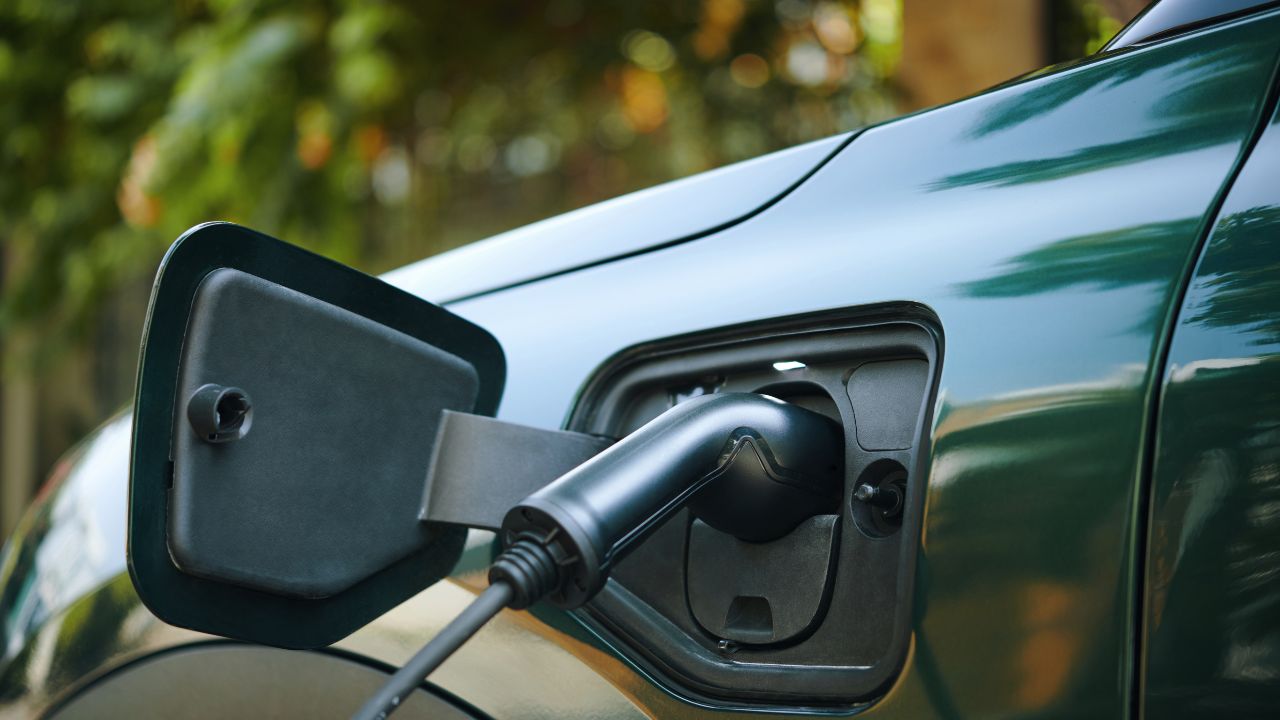
Electric vehicles (EVs) are no longer just niche technology for early adopters. Over the past decade, they have become a mainstream option for many drivers. While factors such as cost savings, environmental benefits, and technological innovation play a role, the rise of electric cars is also deeply connected to psychology.
Understanding the motivations, perceptions, and social influences behind EV adoption reveals why more drivers are embracing electric mobility. The decision to switch to an electric car often involves a mix of practical reasoning and emotional drivers that shape modern consumer behavior.
Environmental Values and Personal Identity
One of the most powerful psychological factors behind the growth of electric cars is environmental awareness. Many drivers want their daily choices to reflect their personal values, particularly when it comes to sustainability.
Research consistently shows that pro-environmental attitudes strongly influence the decision to purchase an electric vehicle. Consumers who prioritize reducing emissions or improving air quality are more likely to view EV ownership as a meaningful step toward a cleaner future.
For many drivers, owning an electric vehicle becomes part of their identity. It signals that they are environmentally conscious and forward-thinking, reinforcing the feeling that they are contributing to positive change.
The Appeal of Innovation and Technology
Another psychological driver is the appeal of new technology. Electric cars are often associated with innovation, modern design, and advanced features.
Many buyers are drawn to EVs because they represent the future of mobility. Studies show that consumers with a strong interest in innovation and technological progress are more likely to adopt electric vehicles earlier than others.
This “early adopter mindset” can make EV ownership feel exciting and progressive. For drivers who enjoy new technology, an electric car represents more than transportation. It represents participation in a technological shift.
Financial Confidence and Perceived Value
Although EVs have historically been more expensive upfront, psychology plays an important role in how buyers evaluate value. Many consumers focus on long-term savings from reduced fuel and maintenance costs.
Lower operating costs are one of the most frequently cited reasons why drivers consider switching to electric vehicles.
When buyers believe they will save money over time, the purchase becomes easier to justify psychologically. This sense of financial efficiency can be just as influential as the actual cost difference.
Social Influence and Changing Norms
Human decisions are often shaped by the behavior of others. As more people adopt electric vehicles, EV ownership becomes socially normalized.
When drivers see neighbors, colleagues, or friends choosing electric cars, it can influence their perception of EVs as practical and desirable. Social influence and symbolic meaning have been identified as important drivers of electric vehicle adoption.
This phenomenon is sometimes referred to as “social proof.” Once electric vehicles become visible in everyday life, they are no longer viewed as experimental technology.
Overcoming Psychological Barriers
Despite the growing popularity of electric cars, certain psychological barriers still affect adoption. One of the most common is range anxiety, the fear that a vehicle might run out of battery before reaching a charging station.
Studies show that perceived barriers, such as concerns about charging infrastructure or cost, can influence interest in EV ownership as much as practical limitations themselves.
As charging networks expand and vehicle range improves, these fears gradually diminish. Familiarity with EV technology also helps reduce uncertainty and encourages more drivers to consider electric vehicles.
The Role of Experience and Exposure
Psychologists often emphasize the importance of familiarity in shaping consumer decisions. When people gain experience with a new technology, their comfort level increases.
Exposure to electric vehicles, through car-sharing programs, test drives, or seeing them regularly on the road, can significantly increase interest in adoption. Once drivers understand how EVs function and experience their quiet operation and smooth acceleration, many become more open to switching from traditional petrol vehicles.
Electric Cars and the Lifestyle Shift
The psychology of EV adoption also reflects broader lifestyle trends. Many consumers today prioritize sustainability, technology, and long-term efficiency in their purchasing decisions.
Drivers researching used cars for sale Temecula may also explore options at temeculahyundai.com to compare vehicles that incorporate modern technology and improved efficiency. As electric vehicles become more common in both new and pre-owned markets, they are increasingly accessible to a wider range of drivers.
This shift demonstrates how vehicle ownership is evolving alongside changing consumer values and expectations.
Final Thoughts
The growing popularity of electric cars is not driven by technology alone. Psychological factors such as environmental values, social influence, technological curiosity, and perceptions of financial benefit all contribute to the rising interest in EVs.
As charging infrastructure improves and electric vehicles become more familiar to everyday drivers, these psychological barriers will continue to fade. In the coming years, the decision to drive electric may feel less like a bold innovation and more like a natural step in the evolution of modern transportation.