




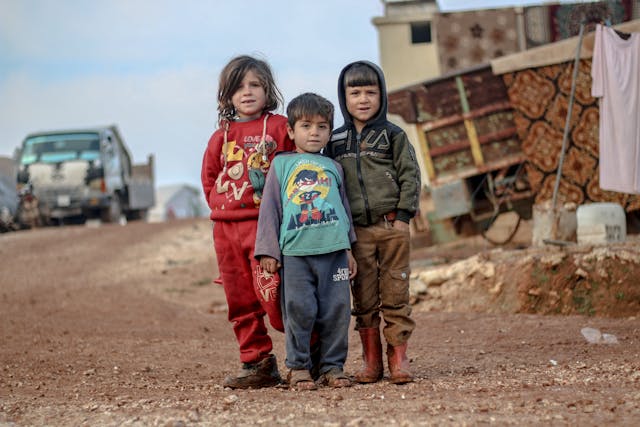
Global poverty remains one of the most pressing challenges of our time. Millions of people around the world face limited access to basic necessities such as food, clean water, healthcare, and education. While the scale of the problem can feel overwhelming, there are some meaningful ways individuals can make a real difference. By taking thoughtful action, you can help lift communities out of poverty and support sustainable change.
1. Support Organizations That Fight Poverty
One of the most direct ways to create an impact is by supporting organizations dedicated to poverty alleviation. Groups like Compassion International provide resources, education, and support to vulnerable children and communities worldwide. Your donations, sponsorships, or volunteer work ensure that these organizations can expand their reach and provide long-term solutions.
2. Educate Yourself and Others
Understanding poverty’s root causes is crucial to meaningful action. Global poverty is influenced by systemic issues including inequality, lack of education, political instability, and environmental factors. By reading, attending webinars, or engaging in discussions, you gain insight into these challenges. Sharing this knowledge in your community raises awareness and inspires others to take action.
3. Volunteer Your Skills
Volunteering does not always require traveling internationally. Many nonprofits need remote support, including tutoring, mentoring, social media management, or administrative assistance. By leveraging your professional skills, you can contribute in ways that strengthen programs addressing poverty while connecting with people who directly benefit from your expertise.
4. Advocate for Policy Change
Governments play a critical role in poverty reduction through legislation, funding, and social programs. Advocacy efforts, such as writing to representatives, participating in campaigns, or signing petitions, can influence policies that promote economic equity and social justice. Collective voices often drive large-scale change.
5. Support Fair Trade and Ethical Products
Purchasing fair trade or ethically sourced goods ensures producers in low-income regions earn fair wages and work under safe conditions. Your consumer choices can empower communities, encourage sustainable production practices, and promote long-term economic stability.
6. Sponsor Education Programs
Education is one of the most effective tools to break the cycle of poverty. Sponsoring a child’s education or donating to scholarship programs provides opportunities for children to learn and grow. Education equips them with the skills to pursue better jobs, support their families, and contribute to their communities.
7. Promote Health and Nutrition Initiatives
Access to healthcare and proper nutrition is limited in many impoverished areas. Supporting initiatives that provide vaccinations, maternal and child health programs, or food security projects helps reduce preventable diseases and malnutrition, offering children and adults a healthier start in life.
8. Mentor and Train
Mentorship programs and vocational training provide essential skills for sustainable employment. By sharing your expertise or supporting local training initiatives, you can help individuals gain independence, create new opportunities, and build confidence to thrive in their communities.
9. Reduce Waste and Encourage Sustainability
Environmental sustainability and poverty are deeply connected. Communities reliant on natural resources are often hardest hit by climate change and environmental degradation. Reducing waste, conserving water, and supporting eco-friendly initiatives not only help the planet but also protect vulnerable populations.
10. Participate in Local and Global Community Efforts
Engaging in local efforts, such as volunteering at food banks, shelters, or community projects, mirrors global poverty challenges. Grassroots action encourages a culture of empathy and giving, which can inspire broader efforts across borders.