




Buildings do not fail all at once. They slowly lose their confidence. The color feels tired. The surface starts showing its age. And suddenly, the place no longer represents what it once did. This is usually the moment when people start searching for smarter solutions instead of drastic ones.
Understanding what recladding really means
At a basic level, recladding is the process of adding a new external skin over an existing building façade. The structure stays where it is. The identity changes. Instead of tearing walls down, you work with what already exists and improve it.
The process begins with inspection. Professionals look at the current surface, fixing points, and overall stability. Once the base is confirmed as sound, a support system is installed. This framework carries the new panels and creates a controlled gap between the old wall and the new surface. That gap matters. It allows air movement, helps manage moisture, and protects the building over time.
What makes recladding so attractive is control. You are not gambling with the unknown. You are upgrading with intention.
How modern systems actually work?
Today’s systems are designed to be practical, not complicated. Panels arrive ready to cut, align, and fix. Installation becomes predictable. Timelines stay realistic. Mistakes are reduced.
Aluminum panels, in particular, are built for efficiency. They can be cut cleanly, fixed securely, and aligned with precision. This simplicity does not reduce quality. It increases it. Fewer variables mean fewer long-term problems.
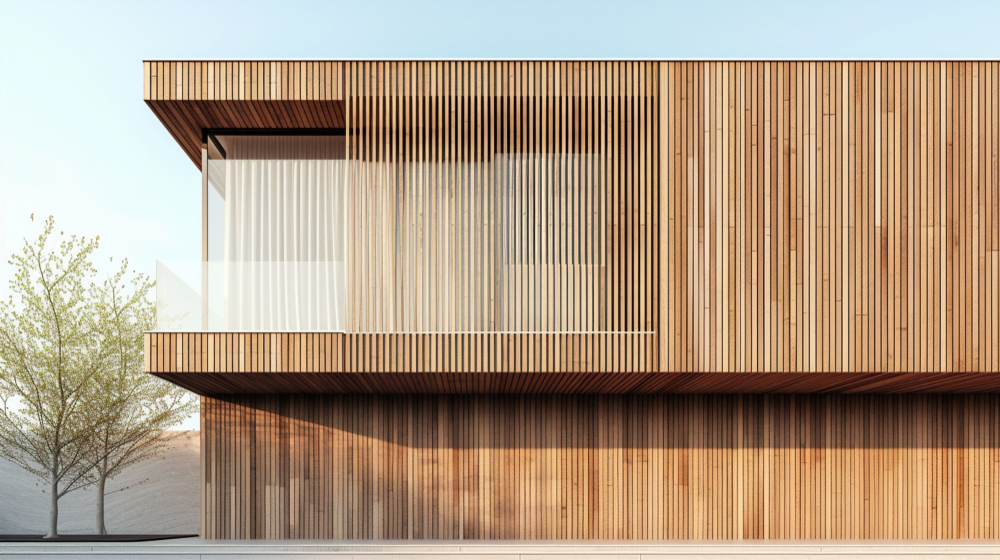
Many systems also offer a wide range of finishes. Matte tones for modern buildings. Smooth architectural surfaces for commercial projects. Wood-style finishes for those who want warmth without constant upkeep. These are not surface tricks. They are engineered finishes meant to last.
Why aluminum stands out without shouting
When people ask experienced professionals about material choice, aluminum often comes up quietly but confidently. Not because it is trendy, but because it performs.
Aluminum handles heat extremely well. It does not warp under strong sunlight and remains stable across temperature changes. It is also fire-resistant, providing an important layer of safety. Its lightweight nature reduces stress on the existing structure, making it perfect for upgrades without needing a full rebuild.
Another advantage is consistency. Panels look the same across large surfaces. Colors stay stable. Edges remain sharp. When recladding is done with aluminum, the result feels intentional rather than patched together.
Choosing wisely instead of choosing fast
A common mistake is choosing based only on appearance. A façade may look good on day one and disappoint by year three. Smart selection focuses on how the system behaves over time.
Ask practical questions. How easy is it to replace a panel if damage occurs? How are joints and corners handled? How does the system respond to heat, dust, or humidity? These answers matter more than brochure images.
Climate should always guide decisions. In hot, coastal, or polluted environments, aluminum continues to perform where other materials struggle. That reliability is why recladding projects across different regions often lean toward it.
More than a visual upgrade
It is important to understand that recladding is not just about appearance. It is a protective layer. It shields the building from weather, reduces surface stress, and can support better thermal performance when combined with insulation strategies.
A well-executed façade upgrade extends the building’s life. It reduces maintenance pressure. It restores pride in the space. And it does all this without forcing the owner to start from zero.
A decision that respects the existing building
Choosing material for recladding is a decision rooted in respect. Respect for the structure. Respect for time. Respect for long-term value. When aluminum systems are chosen thoughtfully, the building does not just look new. It feels renewed.
FAQs
Will this change make my building feel artificial or cold?
That fear is natural. The right finishes, especially modern wood-look aluminum options, bring warmth without the burden of real timber. The result often feels more balanced than expected.
What if I regret the look later on?
This is where smart systems matter. Panel-based façades allow future changes without dismantling everything. Flexibility is built into the decision when materials are chosen wisely.
Is this upgrade worth it emotionally, not just financially?
Yes. A refreshed façade changes how people feel when they arrive, enter, and stay. Pride, confidence, and comfort are hard to price, but they are very real outcomes of doing this right.