




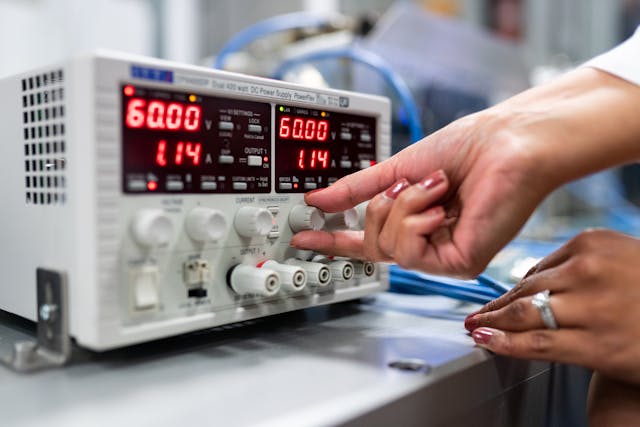
Mobile power equipment supports construction, mining, events, and emergency response projects across varied environments. Reliable temporary electricity keeps machinery active and safety systems functional throughout demanding operations. Careful evaluation ensures selected units align with project scope and technical requirements. Clear preparation strengthens coordination between energy supply and core site activities.
To learn more, project leaders should conduct a structured review of anticipated load demand before deployment. Accurate data clarifies the required generator capacity, distribution layout, and fuel allocation strategy. Defined project objectives guide equipment selection and placement decisions. Detailed planning supports smooth integration with operational schedules and workforce needs.
Assess Site Energy Demand
Comprehensive load assessment forms the foundation of responsible equipment deployment. Calculations identify kilowatt demand across machinery, lighting, and temporary facilities. Peak usage periods indicate potential stress on generators and distribution units. Reliable data ensures equipment matches projected consumption profiles.
Environmental factors also shape equipment positioning and protection measures. Terrain conditions influence placement, access routes, and cable layout. Weather exposure affects enclosure selection and ventilation planning. Thoughtful site evaluation supports safe and compliant installation practices.
Review Equipment Capacity And Layout
Generator specifications determine voltage range, phase compatibility, and rated output capacity. Proper alignment between the supply and connected devices ensures balanced power distribution. Technical review prevents a mismatch between equipment and operational demand. Structured configuration supports stable energy delivery across work zones.
Distribution components require careful selection before deployment begins. Switchboards, cabling systems, and connectors must correspond with the projected electrical load. Clear integration planning maintains orderly power flow across equipment clusters. Coordinated layout reduces strain on primary supply units.
Plan Fuel Supply And Storage
Fuel strategy influences operational continuity and cost control throughout project timelines. Consumption forecasts depend on runtime schedules and equipment capacity. Accurate projection supports structured delivery planning and secure onsite storage. Defined oversight maintains steady fuel availability across active phases.
Project teams should evaluate the following fuel planning elements:
- Estimated daily fuel consumption per generator unit
- Approved storage capacity within site safety guidelines
- Scheduled delivery intervals aligned with runtime projections
- Secure handling procedures for refuelling activities
Clear evaluation of these factors supports organised fuel management. Documented procedures enhance accountability across operational teams. Coordinated oversight maintains consistent generator performance. Structured fuel planning aligns supply with project workload patterns.
Ensure Compliance And Technical Support
Regulatory standards govern electrical installation, grounding, and operational safety requirements. Certified technicians verify proper setup before full system activation. Inspection protocols confirm distribution integrity across connected equipment. Clear documentation supports traceable compliance across project stages.
Ongoing technical oversight maintains equipment reliability throughout deployment cycles. Routine inspections identify maintenance requirements before performance shifts occur. Performance data review supports informed operational adjustments.
Why Engage Experienced Power Specialists Before Deployment?
Complex mobile power projects benefit from technicians with proven field expertise across construction, mining, and remote operations. Skilled electrical engineers conduct precise load assessments and design tailored generator and hybrid configurations. Detailed site evaluations ensure correct equipment sizing, safe installation, and regulatory compliance. Structured project coordination supports efficient deployment within defined timelines.
Comprehensive service coverage includes system design, transport logistics, commissioning, and ongoing technical oversight. Advanced monitoring tools provide transparent performance data and fuel usage metrics. Dedicated maintenance teams manage inspections, calibration, and system optimisation across project stages. Professional guidance strengthens operational control and informed decision-making before equipment mobilisation.