



Timber has long been a trusted building material thanks to its strength, versatility, and sustainability. From structural frames and decking to fencing and outdoor furniture, timber projects depend heavily on secure connections to maintain stability and durability. One of the most reliable ways to create strong timber joints is through the use of coach bolts.
Coach bolts, also known as carriage bolts, are specifically designed to provide strong, dependable fastening in timber applications. Their unique design allows them to hold heavy loads while keeping connections tight over time. Understanding when and why to use coach bolts can help builders, contractors, and DIY enthusiasts create stronger, longer-lasting timber structures.
What Are Coach Bolts?
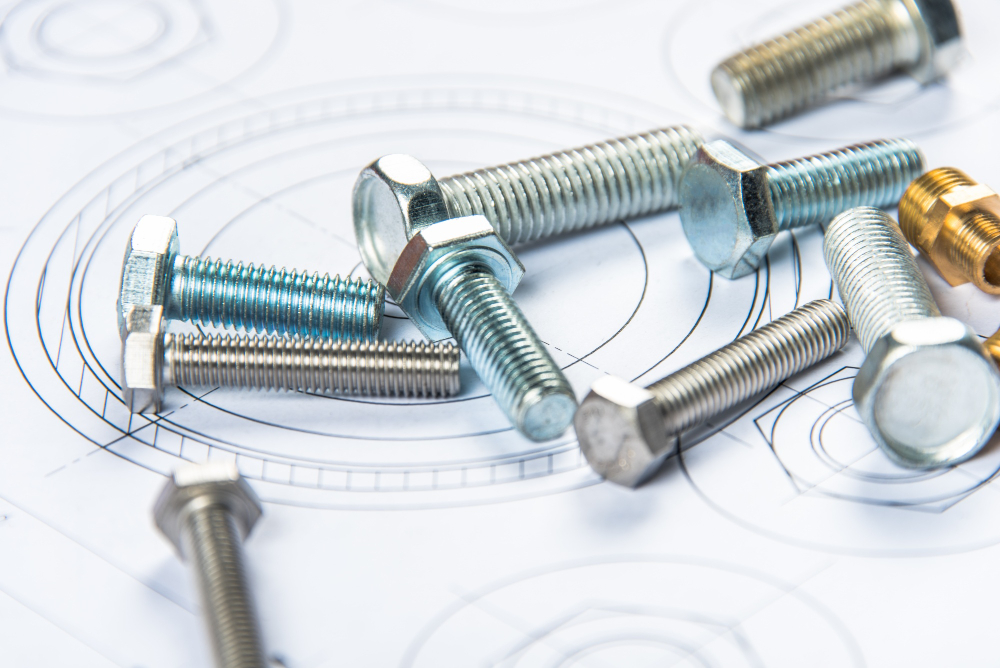
Coach bolts are heavy-duty fasteners commonly used for joining timber components. They typically feature a smooth, rounded head and a square section directly beneath the head. This square shoulder locks into the timber when the bolt is tightened, preventing the bolt from turning while the nut is secured on the opposite side.
This design offers two major advantages. First, it creates a clean, finished appearance because the rounded head sits flush against the timber surface. Second, it allows the bolt to remain firmly in place during tightening without needing to hold the head with a tool.
Builders working on structural timber projects often buy coach bolts because they provide strong mechanical fastening that outperforms many screws or nails in high-load applications.
Why Coach Bolts Provide Stronger Timber Connections
Timber structures can experience a variety of forces, including weight loads, movement, and environmental stress. Standard screws and nails are suitable for many applications, but they may not provide sufficient strength where large structural loads are involved.
Coach bolts create a secure mechanical connection that passes entirely through both pieces of timber. Once the bolt is tightened with a washer and nut, the components are clamped firmly together. This clamping force increases friction between the timber surfaces, making the joint far stronger than surface-level fixings.
Because of this, coach bolts are commonly used in structural timber construction where reliability is essential.
Structural Timber Framing
One of the most common situations where coach bolts are used is in timber framing. Structural frames must support significant loads while remaining stable over long periods.
Coach bolts are often used to secure beams, posts, and joists together. Their ability to pass through thick timber sections ensures that structural members are tightly connected and capable of supporting heavy loads.
In timber frame buildings, coach bolts are frequently used alongside steel brackets and plates to reinforce key joints and provide additional strength.
Decking and Outdoor Structures
Outdoor timber projects must withstand environmental stress such as wind, moisture, and temperature changes. Decking structures, pergolas, and garden buildings often rely on strong connections to prevent movement or structural weakening.
Coach bolts are ideal for these applications because they provide long-lasting strength while maintaining a neat appearance on exposed timber surfaces. The rounded head is less likely to catch on clothing or skin, which is especially beneficial in areas where people walk or sit.
When combined with corrosion-resistant materials, coach bolts can help outdoor timber structures remain stable for many years.
Timber-to-Metal Connections
Coach bolts are also commonly used when connecting timber components to metal brackets or plates. In many structural designs, steel reinforcement plates are used to increase the strength of timber joints.
Because coach bolts pass through both materials and are secured with a nut, they create a reliable connection that distributes loads evenly across the joint. This makes them particularly useful in projects such as timber staircases, heavy gates, and structural supports.
Fence and Gate Construction
Fencing and gate installations often require strong fixings to handle repeated movement and exposure to outdoor conditions. Gates, in particular, experience frequent stress from opening and closing, as well as wind pressure.
Coach bolts provide the strength needed to hold gate frames, hinges, and support structures securely in place. Their design ensures that connections remain tight even as timber expands and contracts with changing weather conditions.
For these reasons, they are commonly used in agricultural fencing, garden gates, and timber boundary structures.
Large Timber Furniture and Joinery
Heavy timber furniture, such as benches, picnic tables, and workbenches, often requires stronger connections than standard wood screws can provide. Coach bolts offer an excellent solution for securing thick timber sections while maintaining a clean and professional appearance.
Because they clamp materials tightly together, they help prevent wobbling or movement in large furniture pieces. This improves both safety and durability, especially for furniture designed for outdoor use.
Choosing the Right Coach Bolt
Selecting the correct coach bolt depends on several factors, including timber thickness, load requirements, and environmental exposure. Bolt length should allow enough thread to pass fully through both pieces of timber while leaving space for a washer and nut.
Material choice is also important. Galvanised or stainless steel bolts are often preferred for outdoor use because they resist corrosion and maintain structural strength over time.
Using washers with coach bolts is also recommended, as they distribute pressure more evenly across the timber surface and help prevent the nut from embedding into the wood.