




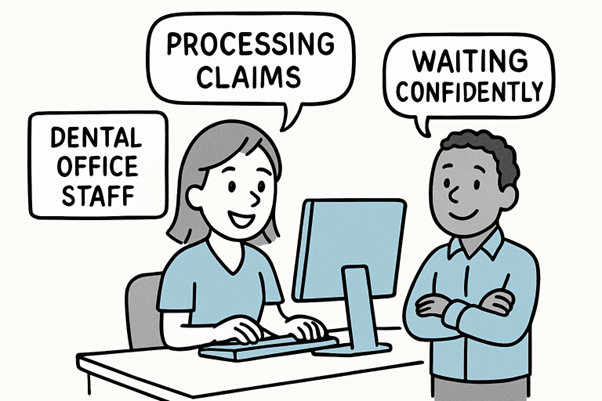
Efficient dental claims processing is essential in elevating the quality of care within dental practices and driving positive patient experiences. By ensuring quick, accurate claims, administrative burdens are reduced, allowing clinical staff to focus on what truly matters and helping patients achieve optimal oral health. For dental clinics aiming to streamline workflows, understanding how to process dental insurance claims effectively is fundamental to maintaining financial health and fostering patient trust.
Prompt claims management directly ties into the patient experience. Dental teams that leverage technology and fine-tune their insurance processes are less likely to encounter billing bottlenecks, resulting in faster approvals for necessary treatments. This approach not only benefits providers but also assures patients that their time and care are being valued, creating a strong foundation for lasting patient-provider relationships.
The Impact of Efficient Claims Processing on Patient Care
When dental claims are filed and managed efficiently, the benefits are felt by both patients and practitioners. Reducing administrative hassles and streamlining insurance approvals allows dentists to begin patient treatment without unnecessary delays. Faster reimbursements also support a dental practice’s financial stability, enabling reinvestment in advanced tools and technology, as well as ongoing staff education.
This efficiency produces a ripple effect. Patients are less likely to experience the frustration of postponed or denied treatments due to prolonged billing cycles. Instead, they are more confident in the clinic’s ability to provide consistent, top-tier care. Studies published by the American Dental Association have shown that poor claims management often leads to deferred treatment, negatively affecting patient health outcomes over time.
Technological Advancements in Dental Claims Management
Dental practices adopting digital platforms and artificial intelligence experience fewer errors in claim submissions and speedier verifications. Automated AI tools can review treatment plans, identify potential coding errors, and flag inconsistencies before a claim reaches the insurer. This level of scrutiny reduces costly mistakes and claim denials, ensuring that practices are reimbursed promptly for services rendered.
Tools like AI-driven software also benefit patients by providing cost estimates and real-time eligibility checks, so they know exactly what to expect regarding out-of-pocket expenses. Seamless insurance processing not only expedites care but also makes patients more willing to proceed with recommended treatments, as they have a clearer understanding of their benefits and obligations. According to a Forbes feature, advanced AI tools are reshaping both the healthcare and insurance landscapes, making them more accessible for patients and easier for providers to manage.
The Role of Transparency in Patient Satisfaction
Clear, upfront communication about insurance coverage is increasingly expected among dental patients. When front office staff can quickly verify benefits and offer precise cost projections, it makes a significant difference in the patient’s perception of value and honesty. Nearly four out of five dental patients now expect insurance transparency before a procedure, underscoring the demand for real-time eligibility checks and clear explanations.
This transparency fosters trust, empowering patients to approve necessary treatments without hesitation. It also minimizes misunderstandings around billing and coverage limits, preventing friction that could erode loyalty to the dental practice. Both the American Dental Association and polling from large dental networks highlight the importance of this factor for modern dental offices.
Advocating Against Downcoding for Better Outcomes
Downcoding, when insurers reclassify submitted procedures as lower-cost alternatives, can undermine both providers’ revenue and patients’ quality of care. This practice too often leads to inaccurate billing and insufficient reimbursements, ultimately putting necessary treatments out of reach for some patients and discouraging best-practice dentistry.
Dental advocacy organizations, notably the American Dental Association, are pushing back against downcoding. Their efforts are pivotal in securing fair compensation for dental practitioners and ensuring patients can benefit from the full scope of care available to them. Advocacy not only preserves the financial sustainability of dental practices but also protects patients from the negative consequences of restricted or reduced care.
Future Trends in Dental Claims Processing
The coming decade is set to redefine dental insurance management through powerful technological innovation. Blockchain technology offers a secure and transparent framework for processing claims, reducing fraud, minimizing disputes, and creating verifiable audit trails that benefit providers, insurers, and patients. By decentralizing data records, blockchain can streamline approvals and eliminate costly inefficiencies. Meanwhile, homomorphic encryption introduces a sophisticated layer of protection, allowing sensitive patient and insurance data to be analyzed or shared without exposing private information or violating compliance standards. Together, these advancements promise faster reimbursements, improved data accuracy, and stronger regulatory adherence. As administrative systems become more automated and secure, dental practices can devote greater focus to delivering high-quality patient care with less operational strain.
Conclusion
Optimizing dental claims processing goes far beyond administrative efficiency; it directly influences the overall patient experience and long-term oral health outcomes. When claims are handled accurately and promptly, patients gain clearer insight into their coverage, financial responsibilities, and treatment options, reducing confusion and stress. Integrating advanced technologies, such as automated verification systems and digital claim submissions, streamlines workflows and minimizes costly errors and delays. Transparency in billing and proactive communication further strengthens trust between patients and providers. At the same time, advocating for fair and consistent insurance practices ensures patients receive the benefits they deserve. By refining these processes, dental professionals can dedicate more time to exceptional clinical care, practice growth, and sustained operational excellence.