




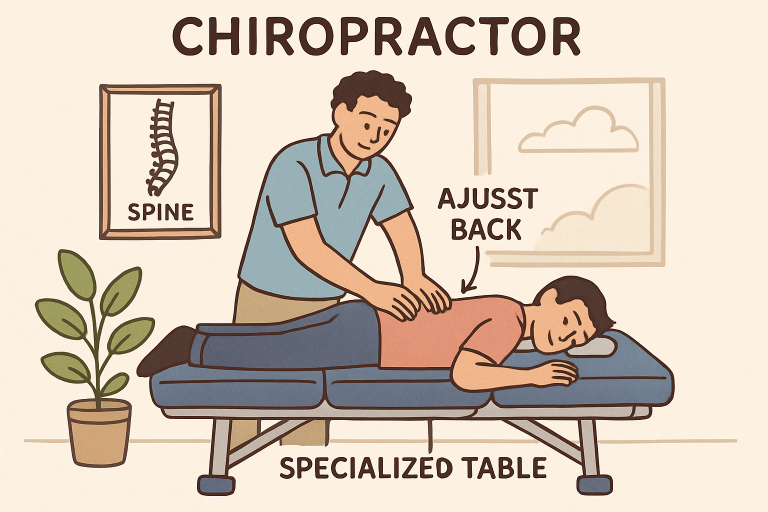
Chiropractic adjustments, also known as spinal manipulations, are a fundamental component of chiropractic care. These procedures are performed by trained specialists who use their hands or small devices to apply a precise, controlled force to the joints of the spine. The goal is to restore mobility, alleviate pain, and enhance overall physical function. People commonly seek chiropractic adjustments for issues such as lower back pain, neck discomfort, and headaches.
It’s important to note that an increasing number of patients prefer treatment by female doctors or female chiropractors for comfort and personal preferences. Regardless of gender, a chiropractor’s expertise in spinal health is central to delivering safe and effective care.
Chiropractic care is recognized as an alternative or complementary option to traditional medical approaches, and its popularity has grown steadily as research highlights its benefits for musculoskeletal health. Adjustments are non-invasive and drug-free, making them appealing to individuals seeking natural solutions for pain and functional limitations.
An essential distinction of chiropractic adjustments is their focus on optimizing spinal alignment, which is believed to support the body’s innate healing abilities. By improving spinal mobility and reducing pressure on nerves, chiropractic care can offer both immediate relief and long-term health improvements.
Initial Consultation and Assessment
The chiropractic journey begins with a comprehensive consultation. During your first visit, the chiropractor reviews your personal and family medical history, assesses your lifestyle and symptom patterns, and addresses your specific health concerns. A physical examination follows, focusing on the alignment, posture, and mobility of the spine. Depending on your presentation, the practitioner may order diagnostic tests, such as X-rays or MRIs, to rule out underlying conditions and guide treatment planning.
This individualized evaluation enables the chiropractor to create a personalized care plan that addresses your unique needs, sets clear expectations, and identifies any underlying issues that may require collaborative management with other healthcare providers.
The Adjustment Procedure
Once your assessment is complete, the actual chiropractic adjustment is performed in a safe, controlled environment. You’ll typically lie down on a specially designed chiropractic table that supports the necessary movements for the adjustment. The chiropractor then uses their hands or specialized tools to deliver a quick, targeted thrust to specific joints. This may cause the joint to move slightly beyond its normal range of motion, which often produces a distinct popping or cracking sound.
The sound heard during an adjustment is a release of gas bubbles from within the joint and is completely harmless. Patients commonly report feeling a sensation of release or relief as spinal pressure is alleviated and joint movement is restored.
Duration and Frequency
Most chiropractic adjustments take only a few minutes. The frequency of treatments will depend on your condition, the severity of symptoms, and how your body responds to initial sessions. Some individuals experience significant improvement after a single visit, while others require multiple sessions for lasting benefits.
Common Sensations and Immediate Effects
After a chiropractic adjustment, people often report immediate relief from pain and greater ease of movement. Some may feel a sense of relaxation throughout the body due to reduced tension and improved nerve signaling.
It is also normal to experience mild soreness, stiffness, or discomfort in the treated area, similar to the sensations felt after starting a new exercise routine. Other short-term responses can include slight fatigue or dizziness as the body adapts to new patterns of alignment. These effects are typically mild and resolve within 24 to 48 hours.
If you are new to chiropractic care, it’s reassuring to know that these reactions are temporary and generally considered a positive sign that the body is adjusting to improved alignment.
Potential Risks and Considerations
Chiropractic adjustments are widely considered safe when performed by licensed professionals. However, as with any health procedure, there are potential risks and contraindications. Rare but serious complications include herniated or worsening disk problems, nerve compression, and, in exceedingly rare cases, stroke following neck manipulation.
Individuals with certain medical conditions—such as severe osteoporosis, cancer in the spine, or those with an increased risk of stroke—should always consult their physician and inform their chiropractor before initiating care. Ensuring your chiropractor is properly credentialed and experienced minimizes your risk and supports a positive treatment outcome.
Post-Adjustment Care and Recommendations
To enhance the effectiveness of your chiropractic adjustment and support lasting benefits, chiropractors commonly advise a combination of follow-up care strategies. These may include prescribed stretches, guided exercises to maintain spinal alignment, and recommendations for posture and ergonomics during daily activities.
Drinking plenty of water after your visit can help flush out toxins released by joint movement, while adequate rest allows your body time to integrate the adjustments fully. Adhering to these recommendations not only helps you feel better faster but also reduces the likelihood of recurrence and encourages your body’s overall resilience.
Final Thoughts
Understanding what happens during a chiropractic adjustment can alleviate anxiety and empower patients to make informed choices about their care. By seeking treatment from qualified, licensed professionals and adhering to post-care instructions, chiropractic adjustments can lead to significant improvements in pain, mobility, and overall quality of life.