



Most families want a healthy home, but many people are not sure where to start. Life feels busy, and health advice often feels overwhelming. You might think a healthy home requires big changes or expensive upgrades. That is not true. Small choices made every day shape how your home feels and functions.
Your home affects how you eat, sleep, breathe, and relax. It also affects how your kids grow and how your family connects. A healthier home does not need perfection. It needs intention. When you focus on simple habits, your home can support your family’s well-being in meaningful ways.
This guide walks through realistic steps you can take to build a healthier home environment. These ideas fit into real life and real schedules.
Choosing Safer Products for Everyday Living
Many household products contain ingredients that families use without much thought. Cleaning sprays, laundry detergent, and personal care items become part of daily routines. Over time, these products can affect indoor air quality and skin contact.
More families now pay closer attention to the products they use at home. They look for options that feel safer for everyday use and easier to trust. Some families choose household and personal care items from The Wellness Company Melaleuca because the products are designed for regular, long-term use in family homes.
The company was founded in 1985 by Frank VanderSloot. He built the business with a focus on providing practical products for daily life. Many of those products aim to reduce unnecessary exposure to harsh ingredients while still working effectively.
Switching to safer household items does not need to happen all at once. Start with one area, such as cleaners or laundry care. Read product labels. Avoid strong chemical smells. Choose items that fit your family’s needs and comfort level.
Creating a Cleaner Indoor Environment
Indoor air matters more than many people realize. Families spend most of their time indoors, especially children. Dust, fumes, and trapped air can affect breathing, comfort, and sleep quality.
Indoor air can become stale from daily activities like cooking, cleaning, and using scented products. When fresh air does not circulate, these particles stay inside. Over time, this can make rooms feel heavy or uncomfortable.
Simple habits can improve indoor air quality. Open windows when the weather allows, even for a short time. Let fresh air circulate during cleaning or cooking. Try not to rely on strong-scented sprays or candles to freshen a room.
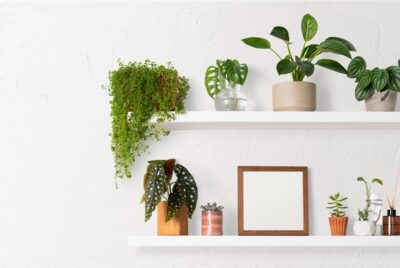
Regular vacuuming and dusting help reduce what lingers in the air, especially in living spaces and bedrooms. Plants can help a space feel calmer, but they do not replace proper airflow. Focus on habits you can maintain. Clean air supports better focus, better sleep, and a more comfortable home for everyone.
Supporting Family Health Through Nutrition at Home
Food choices at home shape long-term habits. Kids learn what feels normal by watching what happens in the kitchen. A healthy home supports balanced eating without pressure. Here is what you can do to achieve that.
- Stock your pantry with foods you enjoy and trust. Aim for variety, not restriction. Fresh foods help, but convenience also matters. Healthy meals do not need to look perfect.
- Involve kids in simple food prep when possible. This builds awareness and confidence. Family meals also support connection. Even a few shared meals each week can make a difference.
- Avoid labeling foods as good or bad. Focus on balance and moderation. This approach supports a healthier relationship with food.
Building Healthy Daily Routines
Routines give structure to family life. They help kids feel secure and help adults manage stress. Healthy routines support sleep, movement, and downtime.
Set regular sleep times when possible. Good sleep affects mood, focus, and immunity. Evening routines that feel calm help everyone wind down.
Movement does not need to feel formal. Walks, playtime, and simple stretching all count. Find activities your family enjoys. Consistency matters more than intensity.
Daily routines should support your family, not overwhelm it. Adjust as needed. Flexibility keeps routines realistic.
Reducing Stress Inside the Home
Stress shows up in many ways. Cluttered spaces, rushed mornings, and constant noise can all add tension. A healthier home reduces unnecessary stress where possible.
Start with small changes. Prepare the night before to ease mornings. Create a drop zone for bags and shoes. Limit background noise during meals or homework.
Open communication also reduces stress. Encourage family members to talk about their day. Listen without rushing to fix everything. Feeling heard matters.
Your home should feel like a place to recharge. Calm moments add up over time.
Teaching Kids Healthy Habits by Example
Children learn most by watching the adults around them. What they see every day shapes how they think about health, routines, and self-care. When healthy habits feel normal at home, kids are more likely to carry them into adulthood.
- Model balanced eating by enjoying a variety of foods without labeling them. Let kids see you make thoughtful choices.
- Stay active in simple ways. Walk together, stretch, or play outside when possible. Movement should feel natural, not forced.
- Show that rest matters. Keep consistent sleep routines and talk about why downtime helps everyone feel better.
- Focus on effort rather than perfection. Encourage progress and learning instead of quick results.
Healthy habits take time to form. Patience and consistency help kids feel supported as they grow.
Making Sustainability Part of Family Life
Environmental choices connect closely to health. Reducing waste, choosing reusable items, and buying thoughtfully all support a healthier home.
Kids can take part in simple ways. Let them help recycle. Talk about saving water and energy. Keep explanations simple and positive.
Sustainability does not require strict rules. Focus on progress. Small actions build awareness and respect for the environment.
A home that values sustainability often feels calmer and more intentional.
Creating a healthier home environment does not require drastic changes. It grows from everyday choices and steady habits. Focus on what fits your family and your lifestyle.
Start small. Build gradually. Adjust when needed. A healthy home supports not just physical health, but emotional balance and connection. Over time, these choices create a space where your family can thrive.