




If you speak to most conference attendees, they’ll walk away with a few business cards they never look at again and vague memories of presentations they forgot. The networking occurs during rushed conversations between sessions, forced small talk during coffee breaks, and awkward introductions that go nowhere. But it doesn’t have to be this way. Some conferences facilitate authentic connections that bloom into collaborations, friendships, and opportunities that span years to come. It’s not due to luck or personalities of those attending; it’s the timing and the space that creates the event’s success.
Spaces That Facilitate Connection
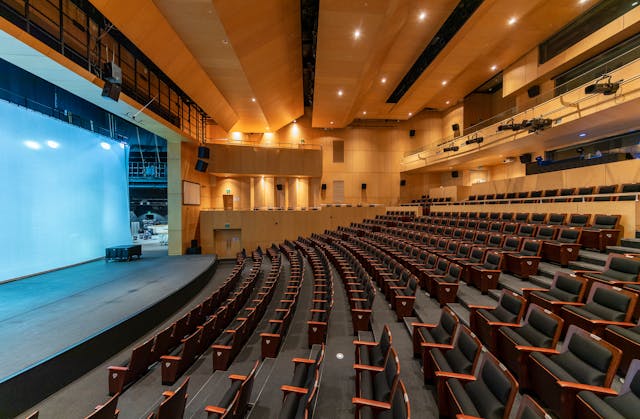
The meeting environment in which attendees connect shapes how people connect more than most planners anticipate. Cramped hallways create bottleneck situations where people walk past one another too quickly to engage. Cold conference rooms with straight rows of chairs facing a projector screen fail to facilitate connection through conversation. If the only comfortable seats happen to be in the main stage session, people disappear during interstitials instead of hanging around for a longer chat.
Networking spaces should boast a variety of settings—high top tables for standing networking opportunities, comfortable lounge furniture for deeper discussions, and quiet corners for small group discussions. Natural lighting helps; something about a fluorescent basement conference room makes people instantly want to check their phones instead of striking up conversations.
Location matters beyond just the venue itself. When searching for spaces that facilitate genuine connection, exploring options through platforms listing Conference Venues Brisbane or similar resources in other cities helps identify places with the right mix of formal presentation spaces and casual networking areas. The venue needs to support both structured sessions and spontaneous conversations without feeling like two separate events.
Timing That Recognizes Human Energy
Here’s another element that most planners fail to see, people will connect better if they’re not exhausted. Regardless of one’s energy level, back-to-back presentations from 8 AM to 6 PM with minimal breaks may sound like a great way to maximize time and content for a conference, but the reality is that it makes people mentally unavailable for the connectedness that makes conferences worthwhile. People rush to sandwiches between sessions, grabbing at any passing moment to say hello as they fret about the sixteen emails they must answer when they return home due to office lack of coverage.
Strategic time breaks help facilitate connection. Not so much 15-minute coffee blips but real gaps that allow conversations to happen organically enough to develop further without a person saying, “Nice meeting you! I have to go!” Time in-between morning sessions and an extended lunch break lend itself to an afternoon workshop and a subsequent breather to wrap things up—this pattern emerges enough that allows networking to occur naturally instead of wedging it in between sessions.
Furthermore, the best conferences recognize that energy wanes in the afternoon; scheduling massive networking events and breakout presentations immediately after lunch rarely works well. It always under-delivers unless it’s a smaller group discussion or workshop wherein engagement is typically down after eating anyway.
Activities That Facilitate Connection
Seating someone in theater-style venues for eight hours means that they’ll leave with as many new connections as they walked in with—none. Professional connection requires discussion, but not everyone feels comfortable approaching a stranger to introduce themselves. Intelligent conference planning provides reasons for people to connect.
Networking-specific and structured activities work like magic—as long as they don’t feel like structured activities. Small group discussions present ideas people can comment on instead of sharing their title and company name; interactive workshops collaborate on challenges instead of fake team-building icebreakers without real substance behind them. Even something as simple as choosing a table for lunch instead of facing row after row of chairs during breakfast helps change the tone completely.
Choosing the right format matters; round-table discussions generate more connections than panel presentations; hands-on workshops with participatory components beat lectures with barely-engaged participants. Questions and answers along the way instead of merely at the end keep engagement high throughout each session opportunity, empowering as many voices as possible instead of leaving people feeling unheard.
Follow-Through That Makes Sense Post Event
Two days at a conference aren’t going to cultivate genuine professional relationships over time—it requires significant effort—with the best events building in opportunities through follow-up thereafter. Shared digital spaces where attendees can keep in touch, subsequent follow-up sessions scheduled for weeks or months down the road and tangible access points through which people can reconnect transform 30-second interactions into deeper professional relationships.
Some planners maintain directories of attendees who opted-in with contact information and general professional interests. Others create industry-relevant groups who can virtually meet in-between annual meetings on-site or otherwise. The goal is to make it worthwhile for those who are connected without making it feel like homework.
The Foundation of Everything
When these elements come together—intentional venue selection, strategic timing, engaging activities throughout, and follow-through, the conference connection stops being just another thing on the calendar. More intentional connection is made between participants who leave with not only a more nuanced perspective but also tangible opportunities to collaborate with one another based on new professional relationships that go above and beyond mere business cards swapped in haste.
The investment in bringing people together actually pays off through collaborations and connections that wouldn’t have happened otherwise. That’s when conferences fulfill their real purpose: not just sharing information, but building the professional networks that drive careers and industries forward.