



Buying a high-power fat tire electric bike is not a casual purchase. These are heavy, powerful, expensive machines and the spec sheets can feel like reading a foreign language. Motor wattage, voltage systems, tire pressure ratings, torque figures. It adds up fast.
Whether you’re after serious trail capability or a no-excuses year-round commuter, getting the fundamentals locked in before opening your wallet is the difference between a smart investment and an expensive lesson. This guide covers what actually matters honestly, practically, and without the sales pitch fog.
The Specs That Actually Define Performance
Two bikes at identical price points can perform entirely differently once you’re on the trail. Understanding the numbers on a spec sheet rather than skimming past them is worth more than most buyers realize.
Motor Power: 750W vs 1000W vs 1500W
A 750W motor handles most mixed terrain and moderate hill climbing reliably. If you want meaningfully more punch, a fat tire electric bike 1000w delivers stronger acceleration, better hill performance, and noticeably more speed headroom than 750W options without pushing into legal grey zones.
At 1500W, you’re firmly in off-road performance territory. The right wattage depends on two things: where you ride and what your local e-bike regulations allow.
What “High Performance Electric Bicycle” Actually Means
Wattage alone doesn’t define a high performance electric bicycle. Real performance is the combination of motor quality, battery capacity, frame construction, and component grade all working together without compromise over thousands of kilometres.
A well-built 750W motor paired with quality hydraulic brakes will outperform a 1500W motor slapped onto a budget frame. Every single time.
Voltage Systems: 48V vs 52V vs 60V
Higher voltage translates directly to smoother power delivery and, frequently, better range under load. A 52V system running a 1000W motor generally outperforms a 48V equivalent when terrain gets demanding.
If you’re buying for serious use, voltage deserves just as much attention as wattage.
With motors and voltage sorted, the next variable is the part everyone notices first those wide, imposing tires.
Why High-Power Fat Tire Electric Bikes Are Gaining Serious Ground
Here’s a stat worth pausing on. According to BoltBikers, 96.4% of riders say they enjoy e-bikes more than regular bikes, and 75% would rather ride than drive. Read that again. Three-quarters of riders would choose their e-bike over their car. That’s not a fleeting trend that’s a meaningful shift in how people move through the world and explore it.
The “Go Anywhere” Factor That Changes Everything
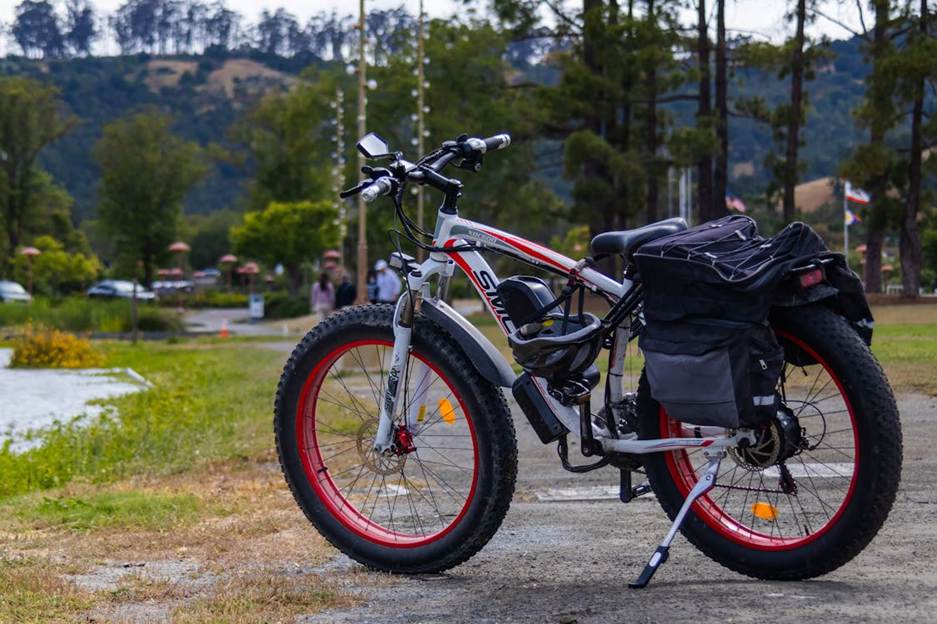
The core appeal is surprisingly simple. A high power fat tire electric bike dismantles most of the barriers between you and the terrain you actually want to ride. Gravel roads, deep sand, packed snow, muddy paths after a rainstorm these conditions barely register as obstacles anymore.
Wide tires distribute weight and grip the surface. The electric assist handles elevation without punishing your knees. Together? You get a machine that earns its “go-anywhere” reputation genuinely, not just in marketing copy.
Who Gets the Most Out of These Bikes and Who Probably Doesn’t
Fat tire e-bikes make the most sense for adventure riders, all-weather commuters, hunters, fishing enthusiasts hauling gear, and anyone regularly moving cargo. They’re a harder sell for ultralight trail riders or anyone who has to carry their bike up a flight of stairs frequently. These machines are heavy. That’s not a complaint, it’s just honest.
How They Compare to Regular E-Bikes and Traditional Mountain Bikes
A fat tire e-bike occupies its own distinct category. The tires run 3.8 to 5.0 inches wide, considerably beyond what standard e-bikes carry. And unlike analog mountain bikes, a built-in motor absorbs the punishing sections that would otherwise drain your legs completely.
Now that you have the context, let’s dig into the specs that genuinely separate a capable machine from one that just photographs well.
Fat Tires: More Than Just an Aesthetic Choice
Those oversized tires aren’t cosmetic. They fundamentally alter how the bike behaves on every surface it encounters for better and, occasionally, for worse.
The Physics Behind 3.8″–5.0″ Tires
An off road fat tire ebike runs tires wide enough to operate at extremely low pressure sometimes as little as 5 to 10 PSI. That low pressure creates a natural suspension effect, absorbing trail vibration and improving traction without requiring complex mechanical components. It’s elegant, really.
Where Fat Tires Genuinely Excel
Deep sand. Packed snow. Muddy singletrack after a wet week. These are exactly the conditions where a fat tire e bike leaves narrower alternatives completely behind. The flotation effect keeps momentum going where conventional tires would sink, spin, or stop cooperating entirely.
The Trade-Off You Deserve to Know About
Here’s the honest part. According to Efficiency Vermont’s white paper, fat tires carry higher rolling resistance and demand more consistent power input, which reduces overall energy efficiency. Real-world range frequently falls short of what manufacturers advertise particularly on loose or soft terrain. Plan your rides with that reality factored in.
Spec Comparison: Power Classes Side by Side
| Spec | 750W Class | 1000W Class | 1500W Class |
| Typical Top Speed | 28–32 mph | 30–38 mph | 35–45+ mph |
| Climbing Power | Moderate | Strong | Very Strong |
| Battery Drain | Lower | Moderate | Higher |
| Best Use | Mixed commuting | Trail + commuting | Off-road focused |
| Legal Status | Usually Class 3 | Varies by region | Often off-road only |
Safety, Regulations, and Staying Street-Legal
A powerful electric mountain bike that exceeds local speed limits can get you pulled from trails, fined, or facing worse consequences. Most jurisdictions cap street-legal e-bikes at 20 to 28 mph. Above that threshold typically means registration requirements or restricting your riding to private land. Know this before you buy not after.
Protective Gear at Higher Power Levels
At 1000W and above, a quality helmet is non-negotiable. It’s the baseline, not the complete list. Add knee pads, wrist guards, and proper eye protection for genuine trail riding. Stopping distances increase significantly at higher speeds, and terrain rarely gives you warning.
Frequently Asked Questions
Are high-power fat tire electric bikes manageable for beginners?
Yes with proper setup and a conservative starting approach. Begin on flat terrain, learn throttle response carefully, and work your way up in power as your confidence grows. Braking distance awareness matters most early on.
Do these bikes wear out components faster than standard e-bikes?
Tires, brakes, and chains all see accelerated wear given the added weight and power output involved. Consistent maintenance brake checks especially keeps these bikes running reliably across years of hard use.
Can I actually ride an off road fat tire ebike through sand or deep snow?
Absolutely and this is precisely where they outperform everything else in the category. Low tire pressure creates flotation through soft surfaces that simply stops narrower bikes cold.
Buy for Your Riding Life, Not the Spec Sheet
High-power fat tire electric bikes are genuinely impressive machines. The marriage of wide tires, high-wattage motors, and durable frames creates a riding experience that’s difficult to replicate any other way.
But go in with clear expectations. Understand the range trade-offs. Account for the weight. Respect the legal limits in your area.
And most importantly match the motor to your actual terrain and riding habits, not to the biggest number available. The right high power fat tire electric bike isn’t always the most powerful option on the shelf.
It’s the one that fits your routes, your lifestyle, and the way you actually want to ride. Get that match right, and these bikes will consistently exceed what you thought two wheels could do.