




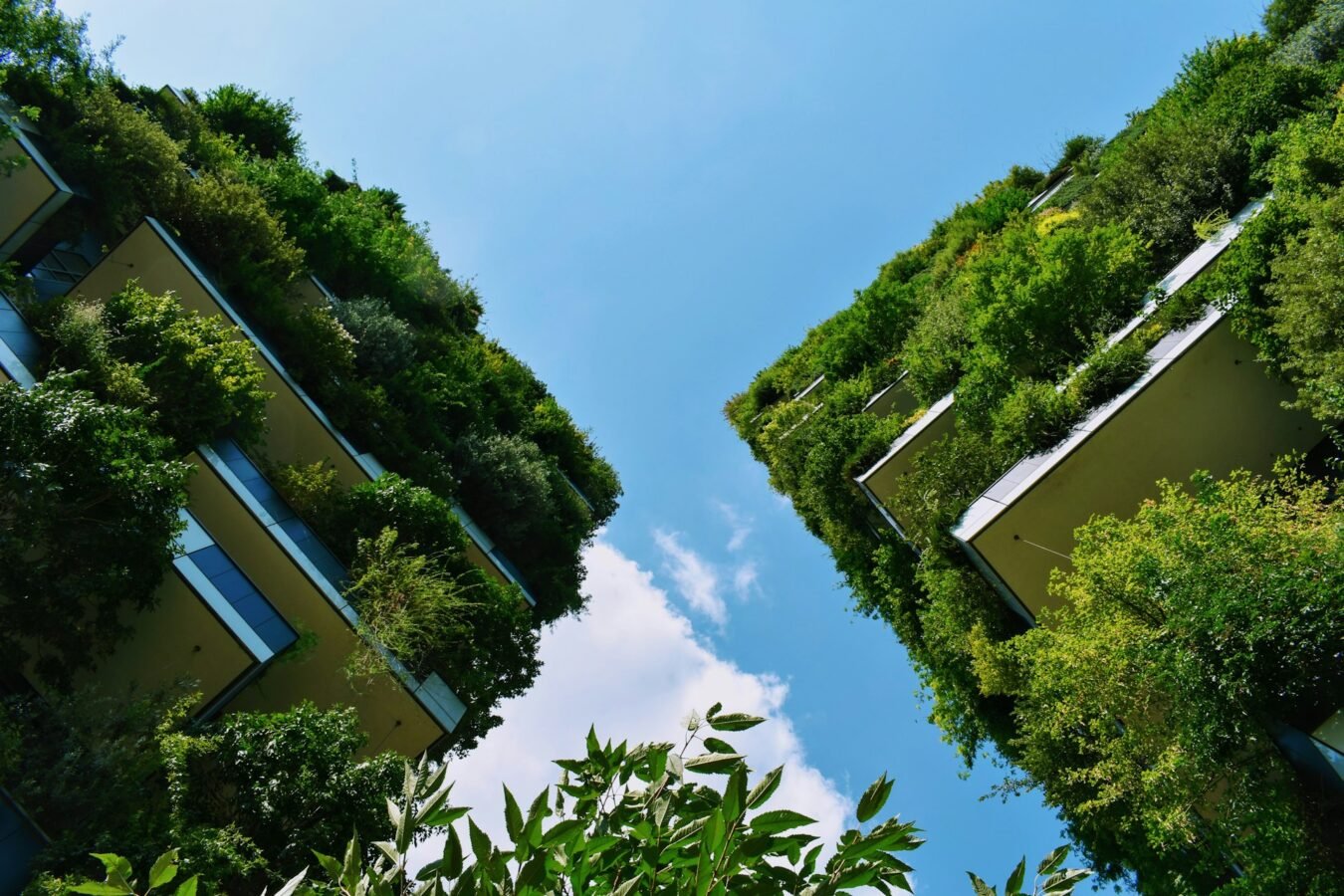
A sustainable building can lower operating costs, reduce construction waste, and create a healthier space for the people who use it. Those outcomes begin with decisions made during planning, long before work starts on-site. Design, material selection, and supplier location all affect a project’s environmental footprint and long-term performance. When these factors become part of the initial budget and schedule, sustainability becomes a practical building strategy instead of a costly addition.
The Environmental Imperative
Buildings consume energy and water throughout their service lives, while construction also creates emissions through manufacturing, transportation, and site activity. The environmental effects extend beyond opening day. Poor insulation, inefficient equipment, and materials that need frequent replacement can increase resource use for decades.
The principles behind eco-focused construction encourage project teams to consider the full life cycle of a structure. For your next project, begin with passive design choices such as useful daylight, effective shading, and well-placed windows. Pair those features with durable materials and efficient systems. Even modest decisions, such as designing rooms around standard material dimensions, can reduce offcuts and keep usable material out of disposal containers.
Long-Term Financial Benefits
Sustainable features can raise certain upfront costs, but the full financial picture includes utility bills, maintenance, and replacement cycles. Better insulation may allow for smaller heating and cooling equipment. Energy efficiency also depends on how a building’s electrical system distributes and manages power. A properly designed power panel can help reduce unnecessary energy use while supporting reliable operation. Durable siding, flooring, and trim can reduce repair work over the building’s life. Pacific Northwest National Laboratory’s overview of green building performance explains how energy, water, and material efficiency contribute to better building outcomes.
Accurate ordering also protects the construction budget. Contractors and homeowners who need lumber cut to specific dimensions may consider a local source of Custom Millwork to limit excess material and unnecessary processing. Before approving a product, compare its installed cost, expected service life, and maintenance requirements. A slightly more expensive option may deliver better value if it lasts twice as long or cuts recurring energy use.
Choosing Sustainable Materials
Look beyond a material’s appearance and purchase price. Ask where its raw inputs come from, how much processing it requires, and whether it can be repaired or reused. Product documentation may also identify recycled content, responsible forestry practices, or chemical emissions.
Durability should carry significant weight. A low-impact product that fails early creates new manufacturing, shipping, and labor demands. Match each material to the conditions it will face. Moisture-resistant finishes suit entryways and kitchens, while harder wood species may serve busy commercial floors more effectively.
You can also reduce waste through careful measurement and clear specifications. Confirm dimensions after framing, coordinate trim profiles before ordering, and store wood products away from standing water. These basic practices prevent damage, incorrect cuts, and rushed replacement orders.
Local Sourcing Advantages
Local sourcing can shorten transportation distances and make communication easier when a project requires unusual dimensions or finishes. Direct conversations with a nearby supplier help builders confirm lead times, available species, and milling capabilities before finalizing plans. That clarity can prevent schedule delays caused by ordering products that aren’t readily available.
Regional materials may also suit local conditions because builders and suppliers understand common temperature changes, humidity levels, and installation challenges. Still, distance alone doesn’t prove that a product is sustainable. Ask about the origin of raw materials, drying practices, and how scraps are handled. Compare suppliers using consistent criteria that cover quality, delivery distance, expected lifespan, and usable yield from each order.
Sustainability works best when it appears in the drawings, material schedule and project budget from the start. Before construction begins, set measurable goals such as reducing job-site waste, improving energy performance, or selecting finishes with longer replacement cycles. Those targets give designers, builders, and suppliers a clear basis for everyday decisions.