




Every busy site has the same pressure point: the entrance. If vehicle entry depends on paper lists, intercom calls, or a guard manually checking plates, queues form fast. At the same time, a rushed decision can let the wrong vehicle in.
That is why many organisations are moving toward automated gate systems. The aim is straightforward: verify vehicles quickly, apply consistent rules, and keep a reliable record of every entry and exit.
Where manual gate processes create risk
Traditional gate routines often look good enough until traffic increases or staffing changes. Typical weak spots include:
– Long waits during shift changes and peak arrivals
– Tailgating, when a second vehicle slips through while the barrier is open
– Inconsistent decisions, because rules live in people’s heads
– Limited reporting, so it is hard to answer who entered after hours
– Admin overload when contractors and visitors change daily
These issues affect both security and operations, especially on multi-tenant business parks, logistics yards, and campuses.
What modern systems do in plain terms
A modern vehicle entry solution combines three building blocks:
1. Identification, meaning the system recognises a vehicle or driver
2. Authorisation, meaning it checks whether access is allowed
3. Control and logging, meaning it opens the barrier and records the event
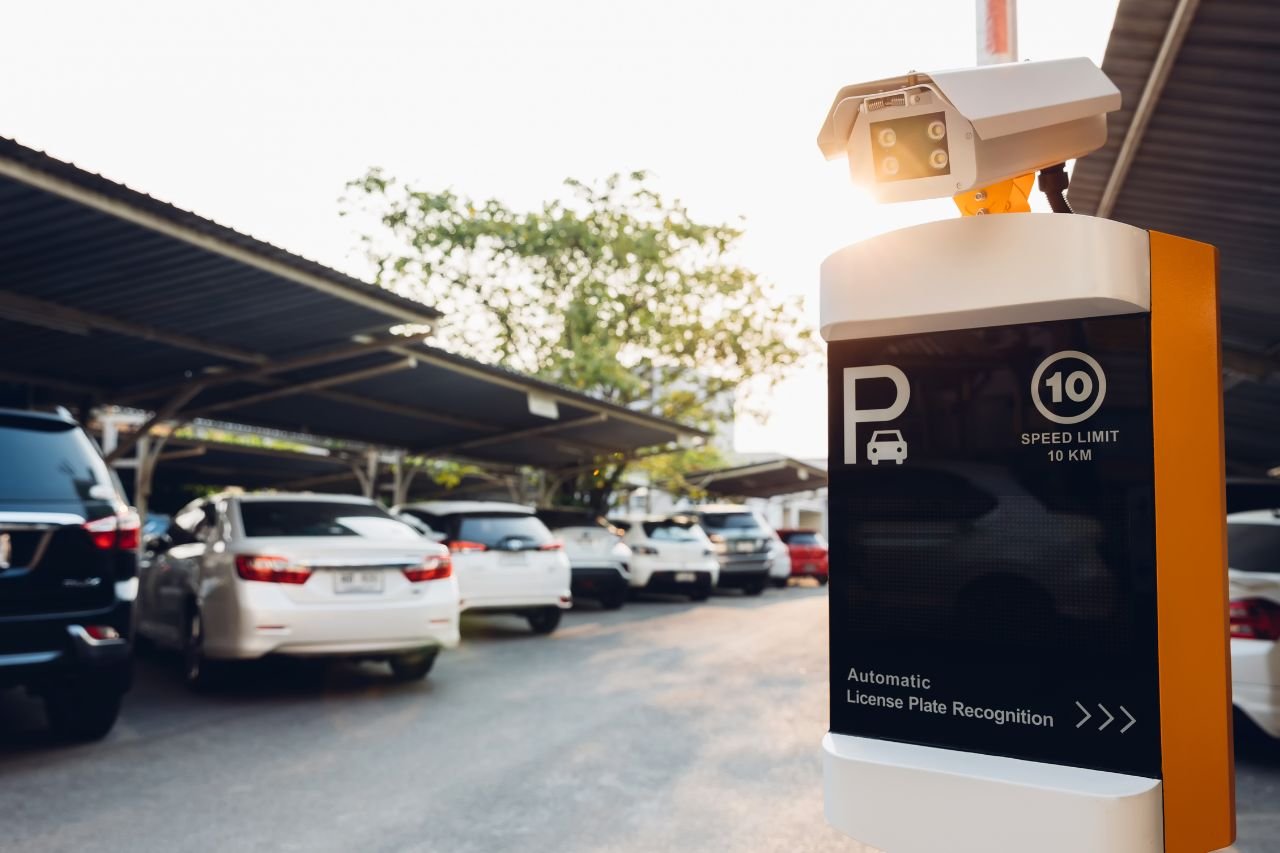
Identification can be done with RFID tags (a small identifier on a vehicle), ANPR (automatic number plate recognition), or mobile credentials. Authorisation is typically rule-based, for example allowing entry only for specific time windows, zones, or permit types.
If you are comparing options, it helps to review how enterprise-grade vehicle access control systems are designed to support high traffic flow and integrate with existing security infrastructure.
Benefits that matter to both security and operations
When automated vehicle entry is implemented well, the impact is visible quickly. Traffic moves through the gate faster, with fewer stop-and-check moments. Perimeter control becomes stronger, because access is based on policy rather than memory. Audit trails and searchable logs improve accountability, while fewer repetitive manual checks bring operational costs down. On top of that, employees, visitors and delivery drivers enjoy a smoother experience.
For decision-makers, this is often the key shift: the gate becomes a managed process instead of a daily improvisation.
Common use cases you can map to your site
You do not need a high-security label to benefit. Consider these practical scenarios:
– Logistics and distribution, where scheduled carriers can be pre-approved and exceptions flagged
– Corporate campuses, where employee parking and visitor access need different rules
– Hospitals and universities, where staff, suppliers, and emergency vehicles must be separated
– Industrial sites, where access can be linked to permits or safety requirements
In each case, secure access solutions reduce friction while improving control.
Integration and governance make or break the result
A frequent mistake is treating the gate as a standalone project. The best outcomes come when vehicle access connects to tools already in place, such as access control platforms, intercoms, cameras, or parking management.
Integration supports central rule management across multiple entrances, real-time monitoring and exception handling, easier investigations by matching access events with video, and scalability when you add lanes, new gates, or additional sites.
A short selection checklist
Before choosing a system, ask:
– Can it handle peak traffic without creating queues?
– Which credential types are supported, and can you mix them?
– How are visitors and contractors onboarded and removed?
– What reports and audit logs are available by default?
– How easily can it integrate with your existing security and IT stack?
A barrier is simple hardware. The strategy behind it is what determines whether your site stays both secure and efficient.