




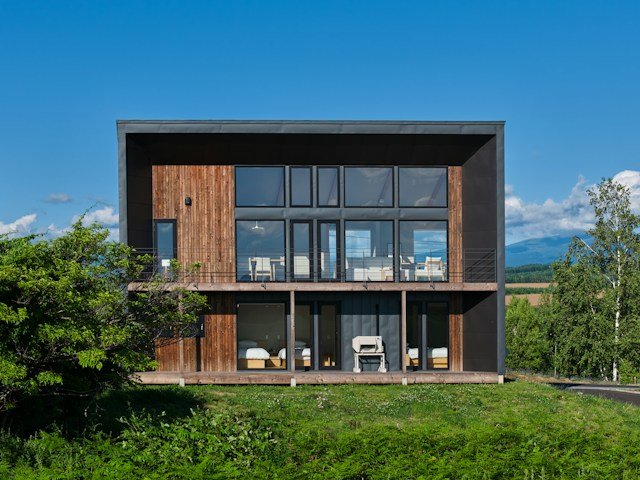
Property design now starts with technology as often as it starts with floor plans and finishes. Connected controls, energy-saving materials and digital modeling tools are changing how buildings look, function and respond to their occupants. These features can also affect long-term operating costs and resale appeal. For buyers, owners and developers, the key is choosing technology that solves practical problems without making a property difficult to maintain.
Smart Homes and Integrated Systems
A smart home works best when lighting, climate control, security, and energy monitoring operate through a coordinated system. The broader growth of IoT in real estate shows how connected sensors can help owners track equipment performance, control energy use, and spot maintenance concerns early.
Start with features that offer clear everyday value. A smart thermostat can adjust temperatures around occupancy patterns, while leak sensors can send an alert before minor water damage spreads. This overview of smart thermostat trends explains how climate technology is becoming more responsive and efficient. Buyers should also ask whether devices use open standards, receive software updates, and include manual controls in case internet service goes down.
Sustainable Building for the Future
Sustainable construction combines efficient design with durable materials and lower operating demands. High-performance windows, careful insulation, and heat-pump systems can reduce energy consumption while creating more consistent indoor temperatures. Low-flow fixtures and native landscaping also help manage water use without requiring occupants to change their daily routines.
Luxury development is increasingly reflecting these priorities. Coverage involving Diana Ulis at Admire Capital illustrates how architectural innovation, interior design, and sustainability are influencing ideas about high-end property. When comparing projects, ask for expected utility use, material warranties, and details about how building systems will be serviced. Those specifics reveal more than a broad environmental claim.
Redefining Spaces with Architectural Tech
Digital design tools allow architects to test layouts, sunlight exposure, and pedestrian flow before construction begins. Building information modeling can place structural, electrical, and mechanical plans inside one shared model, helping project teams identify conflicts before they become expensive changes on-site. An overview of current proptech innovations also highlights how digital tools are reshaping development and property operations.
These capabilities support more flexible interiors. Movable partitions, concealed work areas, and adaptable lighting can help one room serve several purposes throughout the day. If you’re planning a renovation, request digital views at different times of day and test furniture clearances in the model. A hallway that looks generous on an empty plan may feel cramped once doors, storage, and seating are included.
Virtual Reality in Property Showcasing
Virtual reality gives buyers and tenants a clearer sense of scale before visiting a property or before the space physically exists. A virtual tour can show how a kitchen connects to a living area, what the view looks like from a balcony, and how finish options change the character of a room. Developers can use the same experience to collect feedback before final selections are ordered.
Treat virtual showcases as decision tools, not substitutes for verification. Confirm ceiling heights, room dimensions, and the exact materials represented in the model. For an existing property, compare the virtual tour with recent photographs and an in-person inspection. For a planned development, ask which details are fixed and which remain conceptual. Clear labels help prevent polished visuals from creating unrealistic expectations.
The most useful property technology tends to fade into the background once people move in. Systems should be easy to operate, repair, and update, while design tools should lead to rooms that work as expected. When reviewing a technology-driven property, focus on measurable performance, compatible components, and accurate digital representations. Those details will remain valuable long after the initial novelty wears off.