




The luxury automotive market in 2026 experienced remarkable changes, shaped by economic realities, shifting buyer expectations, and rapid technological innovation. From the dominance of established brands to the growth of new ownership models, the industry adapted dynamically to a new era of mobility. Whether looking for the latest premium electric sedan or exploring the market for a used Bentley, consumers navigated more choices and value opportunities than ever before.
This year’s luxury car sector was influenced not only by traditional prestige but also by the increasing demand for sustainability and digital transformation. Buyers looked beyond brand reputation, prioritizing innovative features, eco-conscious technologies, and flexible buying options. The impact of global and regional economic factors, particularly in markets such as China and India, challenged automakers to rethink their product strategies for both new and used vehicles.
In major global cities, luxury automakers responded to changing demographics by targeting a younger customer base drawn to stylish, sustainable models. Market leaders faced both new challenges and unique opportunities as the pre-owned segment surged and electric vehicle (EV) options proliferated. Meanwhile, evolving tastes and economic shifts drove significant realignment in the market.
This article takes a deeper look at the defining trends in luxury car ownership in 2026, examining key players and the future outlook for this rapidly transforming segment.
BMW Maintains Global Leadership
BMW ended 2026 as the world’s top luxury car manufacturer, affirming its long-standing global dominance. The German brand delivered more than 2.2 million vehicles, maintaining its lead over main rivals Mercedes-Benz and Audi, even as both faced larger year-on-year sales declines. This sustained performance highlights BMW’s agile response to changing preferences and market headwinds, particularly in the high-end electric and hybrid segments.
Pre-Owned Luxury Cars Gain Popularity
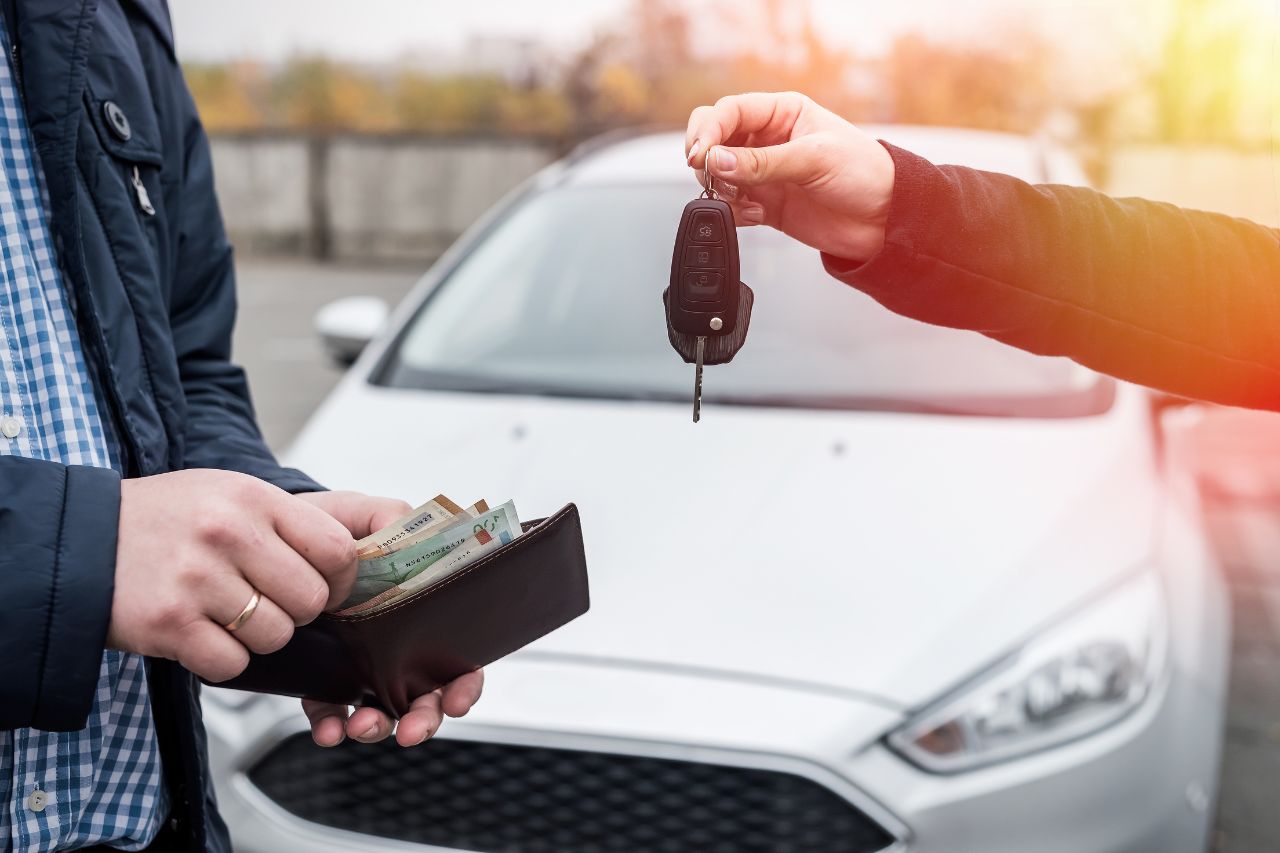
The pre-owned luxury car market witnessed impressive growth throughout the year. In India, for example, pre-owned vehicle sales reached 80,000 units, significantly exceeding the 50,000 new luxury cars delivered. Affordability, lower depreciation, and a more straightforward ownership experience have driven this preference, especially as reputable dealerships build greater trust in certified used vehicles. Consumers are increasingly willing to opt for late-model, well-maintained luxury cars that offer the prestige and experience of ownership at a more accessible price point.
Electric Vehicle Adoption in the Luxury Segment
While luxury electric vehicles remain highly sought after, the segment saw a slight decline in market share as more mainstream brands introduced affordable EV alternatives. According to a Bloomberg report, luxury and exotic EVs dropped from 77.3% to 73.4% of the electric car market, suggesting premium buyers faced growing competition from improved lower-cost options. Yet, luxury automakers continued to innovate with high-performance drivetrains, exclusive amenities, and advanced safety features to retain discerning buyers.
Regional Market Dynamics
Regional influences shaped luxury car sales throughout 2026. Russia’s market for used luxury cars continued its remarkable growth streak with a record-setting 2,300 vehicles sold, and Bentley claimed the lead with a 40% share. This trend signals a preference for trusted, established brands among affluent buyers seeking high-value assets, especially in uncertain economic conditions. Meanwhile, differing regulatory environments, consumer tastes, and economic realities across continents contributed to significant market variations.
Impact of Economic Factors
Economic trends directly affected buyer decisions and automaker strategies. In China, a declining economy and changing consumer sentiment led to a sharp reduction in luxury car sales, impacting established European brands. Chinese automakers gained ground with electric and hybrid models offering competitive pricing and modern features. These shifts challenged global luxury car manufacturers to reassess their position in one of the most lucrative markets worldwide.
Consumer Preferences and Demographics
Younger buyers are becoming a dominant force in luxury vehicle ownership. In India, the average age of a pre-owned luxury car buyer dropped to the mid-30s, reflecting generational shifts in purchasing power and lifestyle aspirations. Worldwide, luxury brands have recognized these trends and adjusted marketing efforts to engage a more diverse, tech-savvy audience seeking not just exclusivity but also smart features and sustainable performance.
Technological Advancements and Innovation
Technological breakthroughs continued to reshape the luxury automotive industry. BMW’s i7 electric sedan, named Chauffeur Car of the Year in London for 2026, stands out as a prime example of how brands are blending opulence with innovation. Touchscreen command centers, advanced driver aids, and sustainable materials are becoming standard, while connectivity and over-the-air updates ensure that premium vehicles stay current well after leaving the showroom floor.
Future Outlook
Industry outlook for 2026 and beyond points to growing investment in electric mobility, advanced infotainment, and tailored ownership models. Automakers are expected to expand their EV range, enhance after-sales experiences, and focus on digital integration to cater to an emerging generation of luxury buyers. As global economic and regulatory landscapes continue evolving, manufacturers who remain agile and forward-thinking will sustain their leadership.