




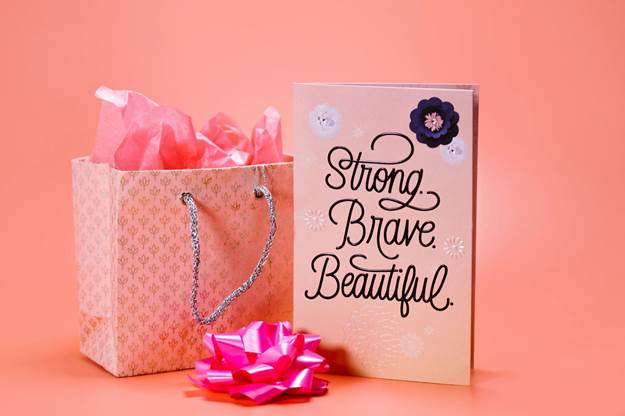
Picture this: you’re racing against closing time, praying the card aisle still has something—anything—that doesn’t look terrible for your friend’s birthday. Sound familiar? That scenario feels almost quaint now. Today’s reality involves distributed teams working across multiple time zones, families connecting through video screens from different hemispheres, and celebrations happening spontaneously without physical proximity. The greeting card industry hasn’t merely adjusted to these changes—it’s undergone a complete reinvention.
Online ecards and digital greeting cards have evolved beyond emergency substitutes. They’ve become the default choice for countless people marking important moments. When geography separates you, time constraints squeeze you, or your schedule makes store visits impractical, digital solutions just make sense. Group e-cards eliminate that awkward office ritual where you chase down coworkers to sign one piece of cardstock—now your London colleague signs alongside your Sydney teammates without the hassle.
Statista data reveals that online sales account for roughly 23% of the U.S. greeting card market share, a percentage climbing steadily as shoppers prioritize accessibility and selection. This guide walks you through precisely when digital formats excel, when traditional paper still matters, and how you should choose between them for birthday celebrations and professional settings. Having covered why e-cards are gaining momentum, we should look at three core behavioral shifts transforming celebration culture—and why they position digital as the logical answer for contemporary occasions.
The New Standard: Online ecards and digital greeting cards in everyday celebrations
How we commemorate meaningful moments has undergone a dramatic transformation recently. Three significant developments explain why digital greetings increasingly feel like improvements rather than substitutions.
From mailbox delays to instant delivery
Waiting seventy-two hours for birthday wishes to arrive when the actual birthday is happening right now? Nobody has patience for that anymore. Personalized ecards solve this frustration completely—you’re capable of dispatching something customized within 120 seconds. Pick your aesthetic, compose something heartfelt, schedule or dispatch immediately, and you’re finished. Zero postage costs, zero anxiety about postal service mishaps, zero embarrassing this is arriving late apologies.
Celebration habits changed by mobile-first life
We text rather than phone. We exchange photos through messaging apps instead of physical albums. We transfer funds digitally instead of handwriting checks. Digital greetings align seamlessly with these patterns. You can deliver them via email hyperlinks, text messages, or WhatsApp—whatever platform your recipient actually uses daily. Since they’re constantly on their device (honestly, who isn’t?), that’s where your greeting should land.
Group ecards are the modern office card pass-around
That traditional practice of routing paper cards through cubicle rows never functioned well for distributed workforces. Group ecards restore that collective warmth without the coordination nightmare. Everyone contributes signatures on their own schedule from their location—ideal for anniversaries, departures, new baby celebrations, and retirement acknowledgments. No more hunting down that one colleague who forgot to sign before your deadline expires. Grasping how celebration patterns have transformed is valuable—but which specific benefits convince people to abandon paper cards they’ve relied on for generations? These six advantages carry the most weight in practical application.
Key advantages driving the switch from paper to digital greeting cards
Convenience wins
Send, sign, and schedule from any location. Is your birthday approaching while you’re traveling abroad? Schedule it right now for precisely 9 a.m. on their special day, then stop worrying. Managing repetitive events like employment anniversaries becomes simple when you can establish reminders and templates beforehand.
More personal than paper
This catches people off guard, but digital greeting cards frequently feel more intimate than store-purchased paper options. You can incorporate video messages, audio recordings, animated GIFs, photo montages, and private jokes that would never translate to cardstock.
Try this layered strategy: customize the visual theme, compose a message referencing a specific shared experience, then attach media like photographs or brief video footage.
Budget-smart gifting
Quality paper cards run three to five dollars, plus postage, plus the time investment of driving somewhere to purchase them. Digital alternatives cost less (many offer free basic versions) and require mere minutes. For organizations and extended families celebrating numerous occasions annually, those savings compound quickly. More than half of respondents—54%—still favor a printed card over digital messaging, demonstrating paper hasn’t vanished completely, but for routine celebrations, digital makes economic sense.
Sustainability and waste reduction
Paper cards generate waste. Most end up discarded within weeks. Transporting them consumes fuel. Digital cards eliminate these environmental costs without sacrificing emotional value. Combine your digital card with an optional charitable contribution if you’re seeking added significance—numerous platforms now facilitate this.Those benefits sound persuasive theoretically, but birthdays represent where ecards either succeed brilliantly or feel disappointingly impersonal. Let’s examine exactly how to make birthday ecards online feel genuinely thoughtful—not like rushed afterthoughts.
Birthday ecards online that feel thoughtful—not generic
Best practices for memorable birthday wishes
Specificity consistently beats length. Apply this structure: compliment + memory + wish + plan. You’re the most hilarious person I’ve met. Remember when we completely lost our way in Barcelona? Hope this year delivers more adventures. Let’s schedule lunch soon.
Personalization elements that increase emotional impact
Include photographs from shared experiences or develop a then versus now timeline montage. Even thirty seconds of investment—selecting their preferred color scheme, incorporating their photograph—creates a substantial difference. Three minutes produce a customized message and media. Ten minutes enables you to construct something genuinely meaningful.Personal birthdays require warmth and precision, but workplace celebrations demand a different equilibrium: professional presentation, scalability, and uniform recognition across departments. Here’s how corporate ecards for employees address challenges that paper cards and messaging platforms simply cannot.
Corporate ecards for employees: modern recognition that scales
Employee milestones that corporate ecards handle best
Birthdays, employment anniversaries, promotions, welcome greetings, project accomplishments, departures—all deserve acknowledgment. Develop a recognition schedule and configure reminders so nothing falls through the gaps.
Group ecards for hybrid and remote teams
Asynchronous participation ensures nobody gets excluded because of time zone differences or meeting conflicts. Designate an administrator, establish a signing cutoff, dispatch gentle reminders, then present the card during a team meeting or in your asynchronous communication channel. It’s culture reinforcement without scheduling another video call. Despite strong privacy protocols, digital isn’t always the optimal choice—certain moments warrant the permanence and physicality of paper. Here’s when to select physical cards, and how to merge both approaches without duplicating your efforts.
Moments where paper still wins
Keepsake situations where physical is meaningful
Weddings, landmark anniversaries, and legacy correspondence often require something you can display or preserve indefinitely. Apply a keepsake evaluation based on event rarity, recipient preferences, and desired longevity.
Hybrid celebration ideas
Dispatch the ecard instantly, then follow through with a printed photograph or handwritten message afterward. You capture digital speed plus paper tangibility without additional pressure.
Common Questions About Online Celebration Cards
1. Does anyone use old greeting cards?
Use them for scrapbooking. If you’re a scrapbooker or have wondered where to start as one, old greeting cards are a perfect addition to your arsenal. You can cut around and use them along with coinciding memories, decorate pages, or even create collages.
2. What is the difference between e-greetings and paper greetings?
E-Greetings or Electronic greetings are similar to a greeting card or a postcard, but the only difference is that they are created via digital medium rather than cardboard or paper. E-cards are made available by publishers, where they can be sent to the receiver through email.
3. Are online ecards safe to open?
Yes, from legitimate providers. Check the sender domain, avoid suspicious attachments, and stick to known platforms. Corporate environments should maintain an approved vendor list for security.
Final Thoughts on Digital Celebration Cards
This transition from paper to pixels isn’t about technology erasing tradition. It’s about discovering superior methods to maintain connections when schedules get overwhelming and geography divides us. Digital cards provide speed, customization, and collaboration that paper fundamentally cannot deliver—but they perform optimally when you approach them with the identical care you’d apply to handwritten correspondence. The medium has evolved, but the intention behind it stays precisely the same.