




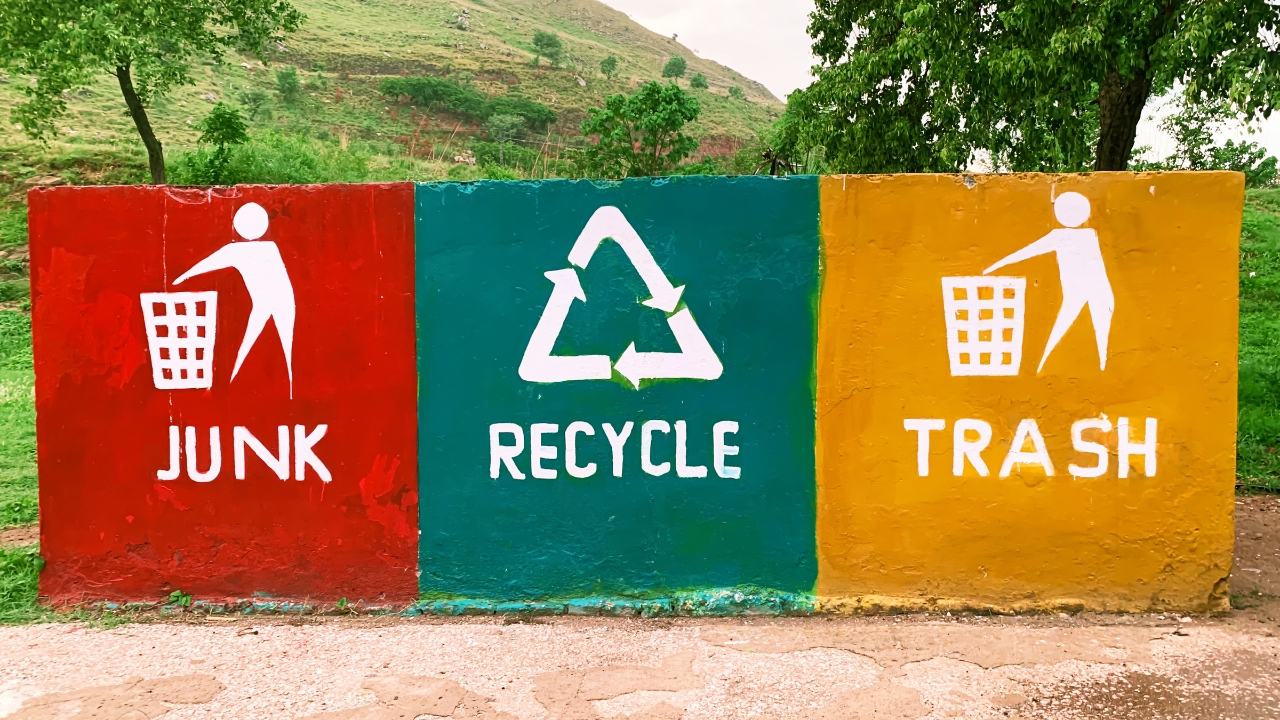
Many companies neglect waste management which is seen as something not on the priority list. However, this perspective results in unnecessary costs for businesses. Waste should not only be considered as a product of the business, but also a sign that potential resources are being wasted even before they can be utilized to their fullest extent.
The Hidden Cost Inside Your Waste Stream
Every single time a skip leaves your premises no questions asked is a potential audit failure. You lose the opportunity to reclaim, resell, or recycle and instead, you pay for disposal. Landfill costs might be easy to track, but the real hit is the value of missed resources.
A waste audit based on what you’re actually throwing out adds up the numbers quickly. A particular supplier’s overly generous use of packaging, food wastage due to over-ordering, potentially recyclable items thrown into general waste because they can’t be separated, these aren’t environmental issues. They’re inefficiencies costing money.
Reduce, reuse, recycle, recover, dispose directs companies to the most cost-effective solutions first. But if you’re focusing on throwing stuff out, you’re definitely at the bottom of that ladder. Changing your rubbish habits to throw out less stuff is nearly always cost-effective.
Regulatory Risk is a Financial Risk
Environmental regulations are not predictable. In several regions, landfill taxes have been progressively increasing. Moreover, companies are required to report their Scope 3 emissions, which include waste disposal and treatment in their value chain, as sustainability reporting standards are becoming more stringent.
Companies that have not developed an efficient waste management solution are at risk. When new regulations are introduced or taxes are raised, companies that lack the necessary infrastructure experience unexpected and significant costs. On the other hand, those that have already implemented sorting, recovery, and data management systems will be able to adapt to these changes.
It is at this point that working with the right provider becomes crucial. By collaborating with a company like westminster waste, the level of operational difficulty, such as logistics, compliance, documentation as well as material collection, becomes the responsibility of specialists, while the client will be guaranteed access to specific reports that can be used to fulfill their obligations.
This is something that should be kept in mind when selecting a waste management service provider. In fact, the cheapest option may not always be the most appropriate one if it means compromising compliance, this is something that any auditor would easily observe.
Procurement Decisions Are Shifting Fast
B2B buyers are starting to assess their suppliers on environmental performance. Not just a soft factor. ESG criteria has transitioned off the investor reports and into procurement frameworks, and those unable to evidence responsible waste standards are losing tenders they would previously have secured on price.
78% of consumers claim a sustainable lifestyle is important to them, and over a five year period, products making ESG-related claims grew 28% cumulatively compared to those that didn’t make those claims (NielsenIQ). That pressure travels upstream. Brands feel it from their consumers and pass it down to their suppliers in the form of contractual obligations.
Transparent waste reporting, sharing diversion rates, landfill avoidance, recycling volumes, has become an actual sales weapon. For those that are working towards zero waste to landfill, that paperwork is not just for the board room, it’s finding its way into the hands of procurement teams sitting across the room.
What Waste Says About the Wider Operation
A disorganized waste stream is generally an indicator of another problem. Ordering excessive amounts, ineffective storage control, machinery generating more scrap material than necessary, incorrect packaging requirements compared to what is delivered by suppliers, these factors become visible in waste records long before their influence on other parts of the business will be felt.
And that’s the point where a waste audit is beneficial over and above merely stating where waste is generated. It forms a snapshot of how materials flow through a company. Those businesses taking a look at this information from a new perspective frequently discover ways of working that lead to waste prevention. Prevention is always cheaper than treatment. Mixed and contaminated waste limits the efficiency of waste treatment plants. The real key to improvement lies in the production process.
Talent and Culture Are Also in Play
This factor is not emphasized enough when discussing return on investment, but it actually matters. Employees, especially those starting out professionally, notice what their employer is doing about environmental concerns. A company that strives to achieve zero waste-to-landfill, shares that journey with its workforce, and invites employees to be part of the solution is more attractive than one that doesn’t.
Replacing employees costs money. So does finding new ones. An environmental program won’t keep people at your company if pay and benefits are sub-par, or if management isn’t supportive. But increasingly, environmental performance is one of many factors contributing to a business that people feel good about working for.
Waste Management as a Strategic Function
The companies are taking the lead on this by not seeing waste management as a janitorial contract but as logistics, data, and something that connects with procurement, finance, compliance, and HR. This approach changes the questions asked and what is done based on the responses.
Both the operational and environmental aspects are part of the same agenda. There’s no compromise here.