



You don’t need a designer budget to look pulled together. Most polished outfits come from choices that make jeans look sharper, basics feel intentional, and accessories seem picked with a plan. Once you learn what makes an outfit read as expensive, your closet works harder.
Get the Fit Right
Fit is the quiet difference between “I threw this on” and “this looks made for me.” A $40 pair of trousers can look elevated if the hem hits the right place and the waist sits cleanly. A pricey blazer can still look off if the sleeves swallow your hands.
Focus on shoulders, waist, sleeve length, pant hems, and how fabric falls when you move. Even small tailoring fixes can make clothes look cleaner and more current.
You don’t have to tailor everything. Start with pieces you wear most, like black pants, a blazer, or jeans you reach for every weekend.
Add the Right Jewelry
Accessories are where everyday outfits get personality. A plain tank, straight-leg jeans, and flats can look basic on their own, but add a sculptural cuff, small hoops, and a sleek belt, and the whole look feels styled.
This is where custom cuff jewelry works especially well because it adds a personal, polished detail without making the outfit feel overdone. The goal is not to wear every accessory you own. It’s to choose one or two pieces that look deliberate.
Stick to Better Colors
Outfits look more expensive when the colors feel connected. That doesn’t mean dressing head to toe in beige. It means your pieces should look like they belong in the same conversation.
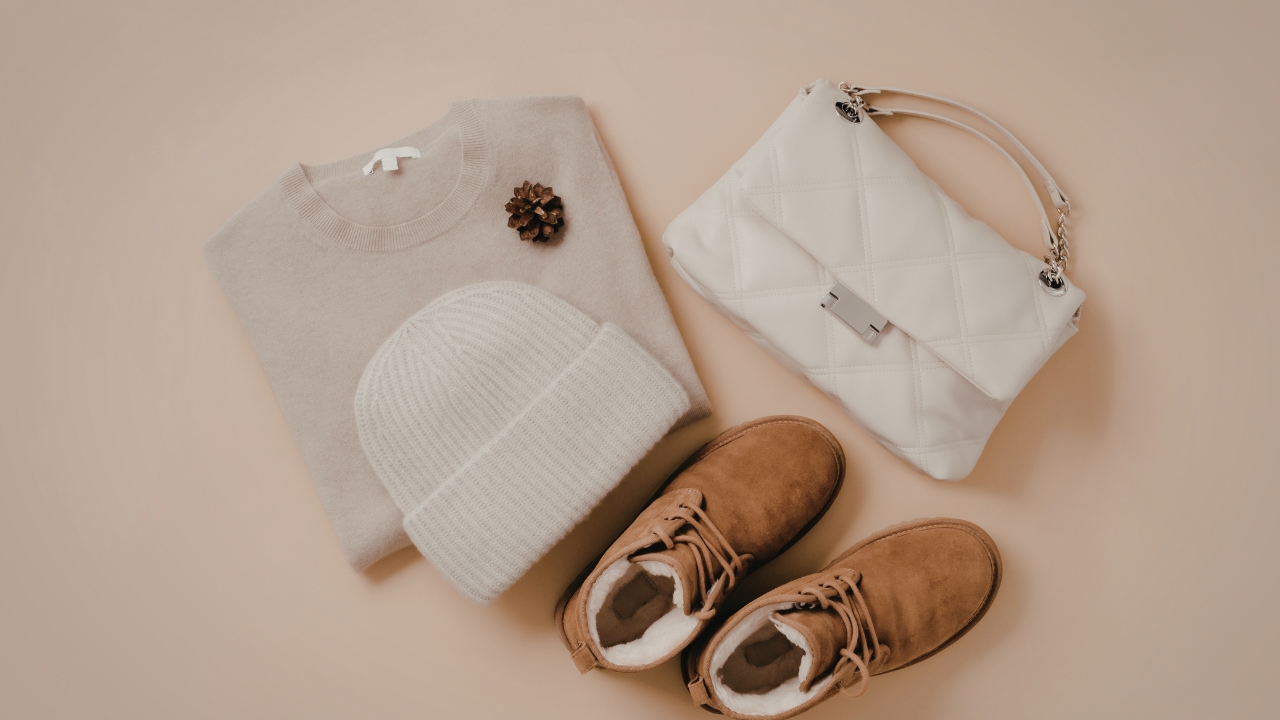
Try pairing shades from the same family, such as cream with camel, charcoal with black, or navy with pale blue. If you love color, pick one bold shade and let everything else support it.
You can also lean on simple outfit formulas built around wardrobe staples when you’re stuck. A crisp white shirt, dark denim, loafers, and a structured jacket will almost always look more refined than trend pieces fighting for attention.
Pick Better Fabrics
Fabric can change the mood of an outfit instantly. Linen, wool blends, crisp cotton, suede, satin, structured denim, and soft knits often look more elevated than thin materials that lose shape by lunchtime.
Mixing textures also makes simple outfits more interesting. Try a cotton button-down with a leather belt, a ribbed knit with tailored pants, or dark denim with a silk-style blouse. The contrast gives the outfit depth without loud prints or logos.
Keep Clothes Fresh
Wrinkles, scuffed shoes, lint, loose threads, and stretched-out necklines can make nice clothes look tired. Upkeep is cheaper than buying something new, so steam wrinkled pieces, shave pilling sweaters, wipe down shoes, replace missing buttons, and store bags so they keep their shape.
Finish With One Detail
Before heading out, do one final mirror check and choose the detail that carries the outfit. Maybe it’s a sharp jacket, a glossy shoe, a cuff, a red lip, or a great bag. When one element feels strong, the rest can stay simple.
That’s the real secret behind expensive-looking style. It’s not about dressing loudly or chasing every trend. It’s about fit, color, care, and choosing a few details that make your everyday pieces feel a little more special.