



For every homeowner, replacing a roof is an important task. A good roof keeps your home safe from the weather and protects your family. But replacing a roof can also be expensive. Without a clear budget, homeowners might face unexpected costs. It’s important to plan ahead to make sure you can afford the project without any financial stress.
Factors like the size of your roof, the materials you choose, and where you live all affect the roof cost. Knowing these details will help you create a more accurate budget. In this article, we’ll explain how you can plan for a roof replacement and what to consider when setting your budget.
Factors That Affect Roof Replacement Costs
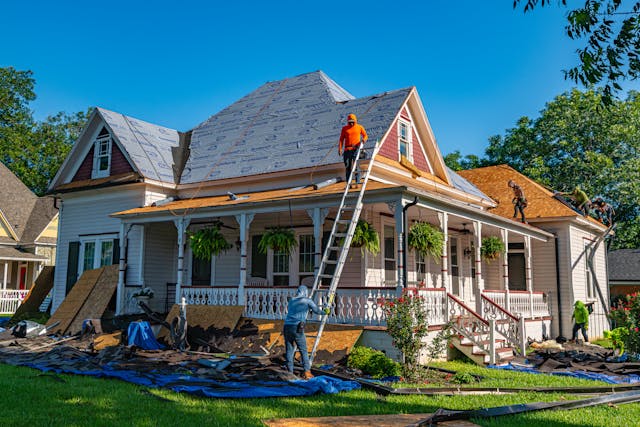
Several factors influence the cost of replacing a roof. Larger roofs require more materials and labor, which increases the price. Roofs with steep slopes or complex designs also add to the cost due to the extra work involved. The material you choose for the roof is another major factor. Asphalt shingles are the most affordable, while materials like slate, metal, or tile are more expensive. When choosing a material, consider both the initial cost and how long it will last.
Labor costs can vary depending on where you live and how difficult the job is. In areas with a high cost of living, labor tends to be more expensive. If the roof has significant damage, more time and effort will be needed, raising costs further. Additionally, the removal and disposal of the old roof can add extra expenses. If your roof is steep or hard to access, extra safety precautions will increase both time and labor costs.
Tips for Creating Your Roof Replacement Budget
Once you have your estimates, it’s time to create a budget. Here are some tips that can help you stay on track financially:
- Set Aside Extra Money for Unexpected Costs
Roof replacement often reveals hidden problems, like damaged wood or structural issues. It’s a good idea to set aside an extra 10% to 15% of the total cost to cover these unexpected expenses. - Consider Financing Options
If the cost of replacing your roof is more than you can pay upfront, many roofing companies offer financing plans. You can also explore home improvement loans if necessary. - Prioritize What’s Important
If you’re trying to stay within a budget, focus on the most important parts of the roof replacement. You can upgrade materials or add extra features later if your budget allows.
Pick the Right Roofing Company
Choosing the right roofing company is an important part of staying within your budget. Start by doing research and looking for reputable contractors with good reviews. It’s best to work with a company that has a proven track record of quality and reliability. Ask for references and check previous work to get a better understanding of their experience. A professional company should provide clear estimates, communicate well, and be transparent about their pricing and services.
Take your time to compare different roofing companies to find one that fits your needs and budget. Remember, hiring a cheap contractor might save you money upfront, but it could lead to more problems later on if the work is subpar.
Replacing a roof is a big investment, but planning carefully will help you manage the costs. By understanding the factors that affect the roof cost and getting multiple estimates, you can set a realistic budget. Make sure to leave room for unexpected costs and focus on what’s most important. With the right planning, homeowners can make sure their roof replacement stays on budget and goes smoothly.