


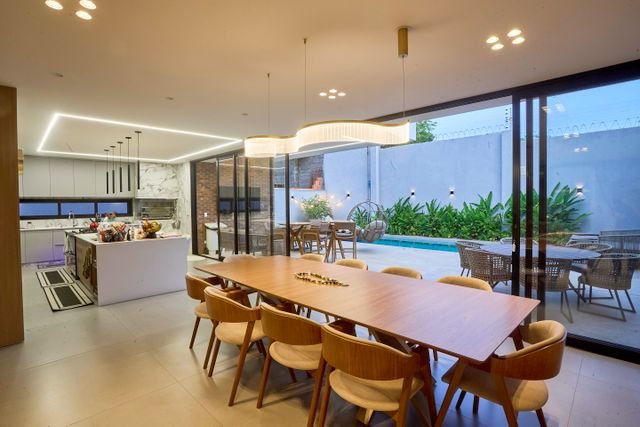
Perth’s warm climate makes outdoor living a natural part of everyday life. Whether it is a relaxed family barbecue on a Saturday afternoon or a dinner with friends on a summer evening, having a well-designed outdoor cooking area can make entertaining easier and more enjoyable. A thoughtfully planned outdoor kitchens perth setup can also help you make better use of your backyard, patio or alfresco area throughout much of the year.
An outdoor kitchen is more than simply placing a barbecue beside the house. Good design considers cooking habits, storage, preparation space, weather exposure, cleaning, materials, lighting and how people naturally move around the area. Getting these details right from the beginning can make the finished space practical as well as attractive.
What Makes an Outdoor Kitchen Worth Considering?
A well-planned outdoor kitchen can turn an underused outdoor area into a functional extension of your home. Instead of constantly walking between the indoor kitchen and the backyard, you can prepare, cook and serve food in one convenient location.
For Perth homeowners, an outdoor cooking area can be particularly useful because outdoor entertaining suits the local lifestyle.
Some of the main benefits include:
- More convenient outdoor entertaining
- Additional food preparation and cooking space
- Easier access to cooking equipment while guests are outside
- Dedicated storage for outdoor cooking essentials
- A more organised alfresco area
- Better separation between indoor and outdoor entertaining
- An opportunity to create a customised space around your lifestyle
For example, a family that regularly hosts weekend barbecues might benefit from a built-in barbecue, generous preparation bench and practical storage. Someone who enjoys elaborate outdoor cooking may need additional appliances, refrigeration and larger work surfaces.
Planning Your Outdoor Kitchen Before Construction
The most successful outdoor kitchens are planned around how the space will actually be used.
Before choosing cabinetry or appliances, think about your normal cooking routine.
Start With the Location
Consider where the outdoor kitchen will sit in relation to the house, alfresco area and entertaining spaces.
Ask yourself:
- Is the area easily accessible from the house?
- Will guests naturally gather around the kitchen?
- Is there enough room for people to move comfortably?
- How much direct sunlight does the area receive?
- Is the kitchen protected from strong winds?
- Where will cooking smoke and heat travel?
- Is there adequate space for utilities and appliances?
A location that looks good on a plan may not work well once several people are using the area at the same time. Leave enough circulation space around cooking zones, benches and seating.
Think About Your Cooking Style
There is no single design that suits every household.
If you mainly cook burgers, sausages and steaks, a quality barbecue may be the main feature. If you prepare complete meals outdoors, you may want additional cooking equipment and a larger preparation area.
Consider how often you entertain, how many people you normally cook for and which appliances you genuinely use.
Choosing Practical Outdoor Kitchen Materials
Outdoor cabinetry and surfaces need to cope with conditions that indoor kitchens do not face.
Perth’s weather can expose an outdoor kitchen to sunlight, heat, dust, moisture and seasonal changes. Choosing appropriate materials is therefore an important part of the planning process.
Prioritise Durability
Materials should be selected according to the amount of weather exposure.
A fully sheltered alfresco kitchen has different requirements from a kitchen that is exposed to rain and strong sunlight.
When comparing materials, consider:
- Resistance to moisture
- UV exposure
- Heat resistance
- Ease of cleaning
- Long-term appearance
- Maintenance requirements
- Suitability for outdoor use
It is worth discussing the intended location with an experienced kitchen designer before making final material decisions.
Choose Benchtops Carefully
The benchtop is one of the hardest-working parts of an outdoor kitchen. It needs to provide enough room for food preparation while also standing up to regular use.
Think about whether you need space for chopping, serving, placing hot cookware or preparing drinks.
A slightly larger work surface can make a significant difference when several people are being served.
Outdoor Kitchen Appliances to Consider
The right appliances depend on your cooking habits and available space.
Common choices include:
- Built-in barbecues
- Side burners
- Outdoor refrigerators
- Sinks
- Storage drawers
- Ice makers or beverage storage
- Pizza ovens
- Additional cooking equipment
However, adding every possible appliance is not always the best approach.
A compact outdoor kitchen with a quality barbecue, useful storage and adequate preparation space may be more practical than a crowded installation filled with equipment that is rarely used.
Build Around Your Essential Appliances
Start with the appliances you know you will use.
For instance, a homeowner who cooks outdoors once or twice a week may prefer a straightforward barbecue and storage arrangement. A keen entertainer might need refrigeration, multiple cooking zones and additional preparation space.
Planning around actual habits helps prevent unnecessary spending and keeps the kitchen easier to use.
Storage Can Make a Big Difference
Outdoor storage is often overlooked during the planning stage.
Without dedicated storage, barbecue tools, serving equipment, cleaning products and outdoor cookware can quickly clutter the area.
Useful storage might include:
- Deep drawers for cooking utensils
- Cabinets for serving dishes
- Dedicated spaces for barbecue accessories
- Shelving for frequently used items
- Enclosed storage for keeping equipment organised
Good storage also reduces the need to carry everything between the indoor kitchen and outdoor entertaining area.
Designing for Perth’s Outdoor Lifestyle
An outdoor kitchen should work as part of the entire entertaining area rather than feeling like a separate addition.
Think about how the kitchen connects with:
- Alfresco dining
- Outdoor seating
- Pool areas
- Gardens
- Patios
- Bar or beverage areas
- Outdoor lighting
For example, if family members normally sit around an outdoor dining table, position the cooking area so the person preparing food can still interact with everyone.
This small design consideration can make outdoor entertaining feel much more social.
Pros and Cons of an Outdoor Kitchen
Like any home improvement project, outdoor kitchens have advantages and potential drawbacks.
Pros
- Creates a dedicated outdoor entertaining area
- Makes outdoor cooking more convenient
- Can reduce trips between indoor and outdoor spaces
- Provides additional storage and preparation space
- Can complement an existing alfresco area
- Allows the design to be tailored to your cooking habits
Cons
- Requires careful planning and suitable materials
- Initial costs can be higher than a basic barbecue setup
- Outdoor appliances and surfaces may require maintenance
- Utility connections may add complexity
- Poor planning can result in wasted space
The key is to design the kitchen around your needs rather than simply trying to include as many features as possible.
A Practical Outdoor Kitchen Planning Checklist
Before starting your project, work through this checklist:
- Measure the available outdoor space
- Decide where the kitchen will be positioned
- Identify the main cooking appliances
- Allow sufficient preparation space
- Plan practical storage
- Consider weather exposure
- Select suitable outdoor materials
- Think about lighting and ventilation
- Consider power, water and other required services
- Plan comfortable movement around the kitchen
- Consider how the kitchen connects with seating and dining areas
- Establish a realistic budget
- Discuss the design with an experienced professional
Common Outdoor Kitchen Planning Mistakes
A little planning can prevent expensive changes later.
One common mistake is making the cooking area too small. A barbecue may fit comfortably on paper, but there also needs to be room for preparation, serving and movement.
Another mistake is overlooking storage. Once cooking utensils, plates and cleaning supplies accumulate, a lack of storage becomes obvious.
Choosing materials purely for appearance can also cause problems. Outdoor products need to be appropriate for their environment, particularly when exposed to Perth’s weather.
Finally, avoid designing an outdoor kitchen without considering the rest of the backyard. The kitchen should complement existing landscaping, furniture and entertaining areas.
How to Get Started
If you are considering an outdoor kitchen, start by writing down how you currently use your outdoor space.
Think about the meals you cook, how frequently you entertain and how many people normally use the area. Then identify the features that would genuinely make outdoor cooking easier.
A useful process is:
- Measure the available space.
- Create a basic list of cooking and storage requirements.
- Decide which appliances are essential.
- Consider weather exposure and suitable materials.
- Plan the relationship between cooking, dining and seating zones.
- Set a realistic budget.
- Speak with an experienced kitchen professional about the design and installation requirements.
This approach keeps the project focused on functionality rather than simply appearance.
Frequently Asked Questions About Outdoor Kitchens Perth
Are outdoor kitchens suitable for Perth’s climate?
Yes, outdoor kitchens can work very well in Perth, particularly when they are designed with appropriate materials and protection from the elements. The level of weather exposure should be considered when selecting cabinetry, benchtops and appliances.
Does an outdoor kitchen need to be completely enclosed?
Not necessarily. Some outdoor kitchens are located under covered alfresco areas, while others have greater exposure to the weather. The design and material selection should reflect the conditions of the specific location.
What should an outdoor kitchen include?
The essentials depend on your lifestyle. A basic setup may include a barbecue, preparation bench and storage, while larger kitchens may incorporate refrigeration, sinks, side burners and additional cooking appliances.
How much bench space does an outdoor kitchen need?
There is no universal measurement because requirements vary according to the size of the kitchen and how you cook. However, allowing dedicated preparation and serving space alongside the cooking appliance generally makes the kitchen more practical.
Is outdoor kitchen storage important?
Yes. Proper storage helps keep cooking utensils, serving equipment and other outdoor essentials organised. It can also reduce the need to repeatedly carry items from the indoor kitchen.
Can an outdoor kitchen be customised?
Yes. Outdoor kitchens can be planned around the available space, cooking habits, entertaining requirements, preferred appliances and overall design of the home.
Create an Outdoor Kitchen Designed Around Your Lifestyle
A successful outdoor kitchen should make outdoor living easier, not create another area that is difficult to maintain. The best designs balance appearance, durability, storage, cooking functionality and comfortable movement.
Whether you are planning a compact barbecue area or a complete outdoor entertaining space, careful planning can help you make better use of your backyard and enjoy cooking outdoors for years to come.
If you are exploring outdoor kitchens perth, start by considering how you want to cook, entertain and use the space. With the right layout, materials and features, your outdoor kitchen can become a practical extension of your home and a place where family and friends naturally want to gather.