




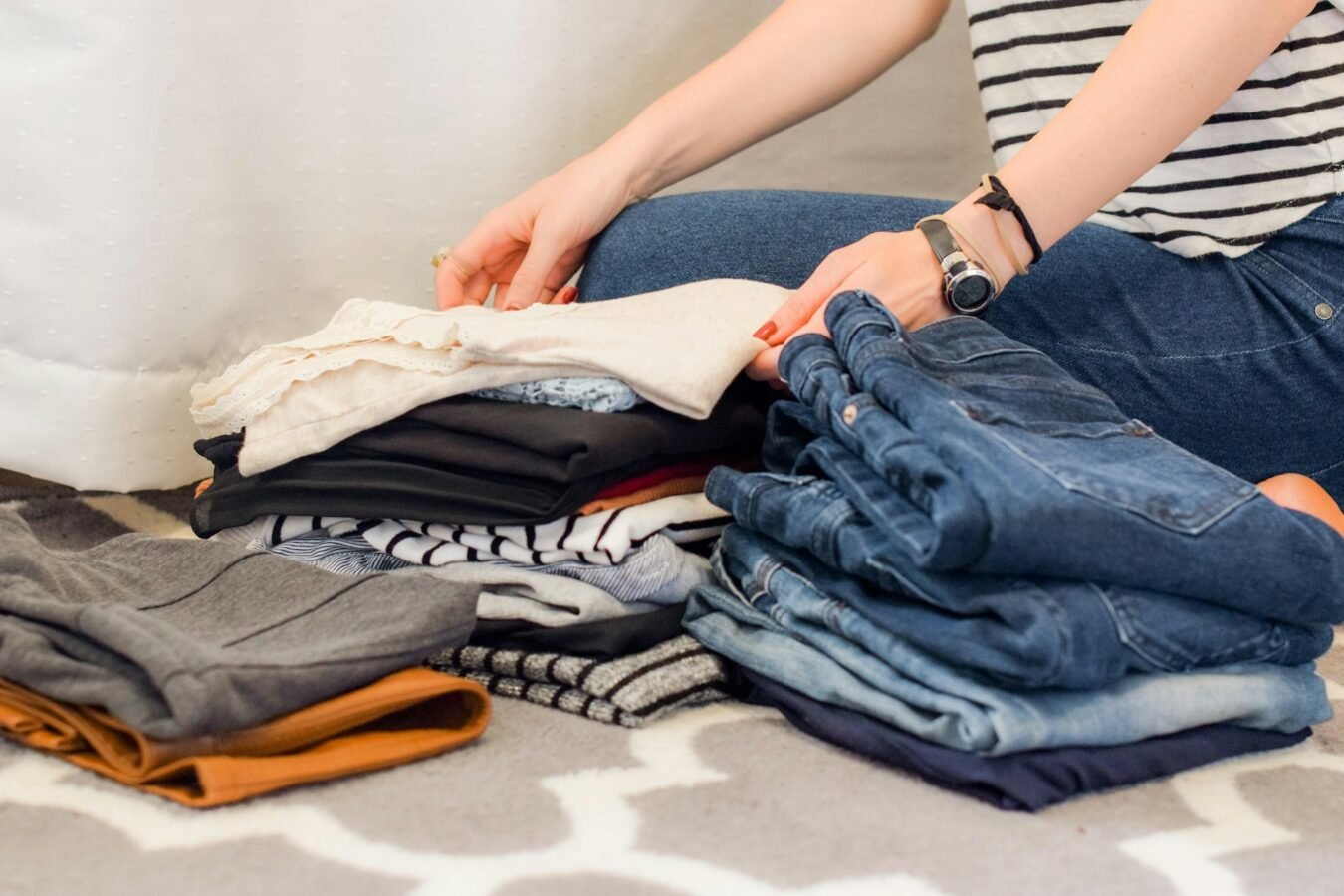
A useful wardrobe makes everyday decisions quicker without limiting your personal style. When your closet contains comfortable basics that fit well and work together, you spend less time trying on outfits that don’t feel right. The best foundation depends on your routine, climate, and preferred colors, but a few dependable categories suit almost everyone. Focus first on the clothes you reach for during an ordinary week, then fill the practical gaps.
Build Around Reliable Tops
Start with three to five tops that can move between casual and polished outfits. A plain T-shirt, a crisp button-down, and a lightweight sweater cover many situations without taking up much closet space. Neutral shades are easy to combine, though your version of a neutral could be navy, olive, or burgundy.
Look for fabrics that feel good for several hours and follow the care instructions you’re willing to handle. Wardrobe essentials often include simple pieces that can be styled across seasons. A white shirt, for example, works under a cardigan for the office and open over a tank on the weekend.
Get the Base Layers Right
Underwear and base layers affect how every outfit sits, so assess them before replacing visible clothing. Check for straps that slip, waistbands that dig in, and seams that show under close-fitting fabric. If smooth lines are a priority under knit dresses, tailored pants or leggings, options such as thong underwear by Natori may fit naturally into your base-layer rotation.
Keep enough everyday pieces to cover the time between laundry days, plus one or two options designed for specific outfits. Fit matters more than the size printed on the label. If something shifts, pinches, or needs frequent adjustment, it probably won’t become a reliable basic.
Choose Bottoms That Match Your Week
The most useful bottoms reflect how you actually spend your time. Someone who works from home may need two pairs of comfortable pants and one polished option, while an office schedule might call for tailored trousers, dark jeans and a versatile skirt.
Aim for cuts that pair with at least three tops you already own. This simple test prevents attractive purchases from becoming closet extras. Many lists of classic wardrobe staples feature straight-leg jeans and neutral trousers because both can support casual, professional and evening looks. Before buying, sit down, walk around, and check the garment in natural light. Comfort and opacity can look different outside a fitting room.
Add Layers That Do Real Work
A good outer layer can turn familiar separates into a finished outfit. Choose one structured option, such as a blazer or chore jacket, and one softer layer, such as a cardigan. Each should fit comfortably over your most frequently worn tops without pulling across the shoulders.
Climate should guide the rest. In a warm region, a breathable overshirt may be more useful than a lined jacket. Colder weather may justify a wool coat that leaves room for a sweater underneath. Pay attention to length as well. A cropped jacket can balance wide-leg pants, while a longer cardigan works easily with slim pants, dresses, and straight skirts.
Keep Shoes and Accessories Focused
Three dependable pairs of shoes can cover much of a typical week: a comfortable everyday pair, a polished pair, and a weather-appropriate option. The exact styles are personal. Clean sneakers, loafers and ankle boots might suit one closet, while flats, sandals and low heels may work better in another.
Accessories should solve practical needs or add character to clothes you already wear. A medium-size bag, a belt and a simple piece of jewelry can make repeated outfits feel intentional. Store these items where you can see them, since hidden accessories rarely enter regular rotation.
As you refine your wardrobe, notice what stays unworn for a full season. That space may serve you better holding a second version of the shirt, pants, or base layer you already depend on every week.